
Let’s be honest: typing “wooden storage box supplier” into Alibaba or Google is the easy part.
You will get thousands of results in seconds. The hard part? Finding a reliable wooden storage box manufacturer who actually understands your business—someone who won’t ghost you after the first sample,
and who understands that a 2mm sizing error can ruin your Amazon FBA inventory.
As a brand owner or retailer, you aren’t just buying wooden boxes; you are buying consistency, peace of mind, and profit margins.
In this guide, we are going to pull back the curtain on the wood manufacturing industry.
We will look at what separates a generic trading company from a true strategic partner, and how you can spot the difference before you wire your deposit.
1. The “Hidden” Costs of Cheap Wood
Many buyers fall into the trap of comparing quotes purely on the bottom-line price.
If Supplier A quotes $4.50 and Supplier B quotes $5.00, Supplier A seems like the obvious choice.
But in the wood industry, a cheaper price often means corners were cut in places you can’t see immediately.
A professional wooden storage box supplier should act as your material consultant, not just an order taker. They should challenge you with questions like:
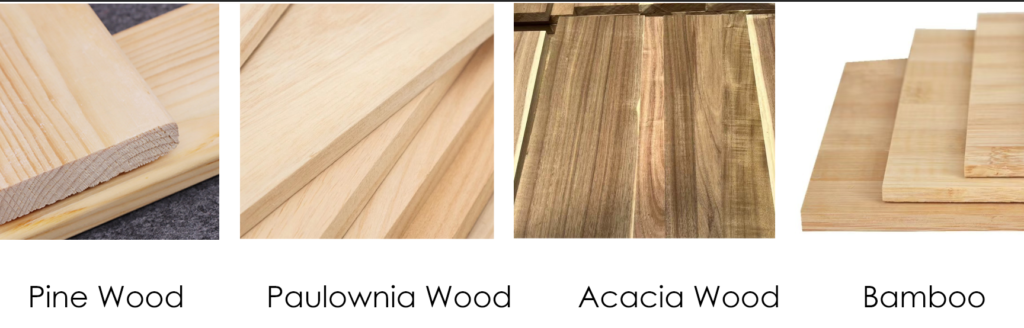
- “Is this for a humid climate?” (If so, Pine might warp; Acacia or Bamboo is better.)
- “Are you painting it or staining it?” (Paulownia is great for rustic burnt finishes, but terrible for high-gloss painting due to its porous grain.)
Real-World Example: Acacia vs. Rubberwood
We often see clients request “Solid Walnut” for storage crates. While beautiful, Walnut is prohibitively expensive for mass-market homeware. A knowledgeable supplier will suggest stained Acacia wood as an alternative. It has a similar premium grain density and hardness but costs significantly less. This switch alone can increase your retail profit margin by 30% without sacrificing the “luxury” look.
Pro Tip: Ask your supplier for “Material Options” with their quote. If they only give you one option without explaining why, they might not have the expertise you need.
You can learn more about common materials such as Paulownia, Pine, and Acacia in our
Wood Materials Guide.
2. Moisture Content: The Silent Killer
This is the number one reason for negative reviews on wooden products, yet few buyers talk about it during the negotiation phase.
Wood is a living material. It expands and contracts. If a wooden storage box supplier rushes production and uses wood that hasn’t been properly kiln-dried, you are ticking a time bomb.
The boxes might look perfect when they leave the factory in China, but after 40 days in a shipping container and arriving in a dry warehouse in Arizona or a humid warehouse in Florida,
they can crack, warp, or even grow mold.
What to ask your supplier:
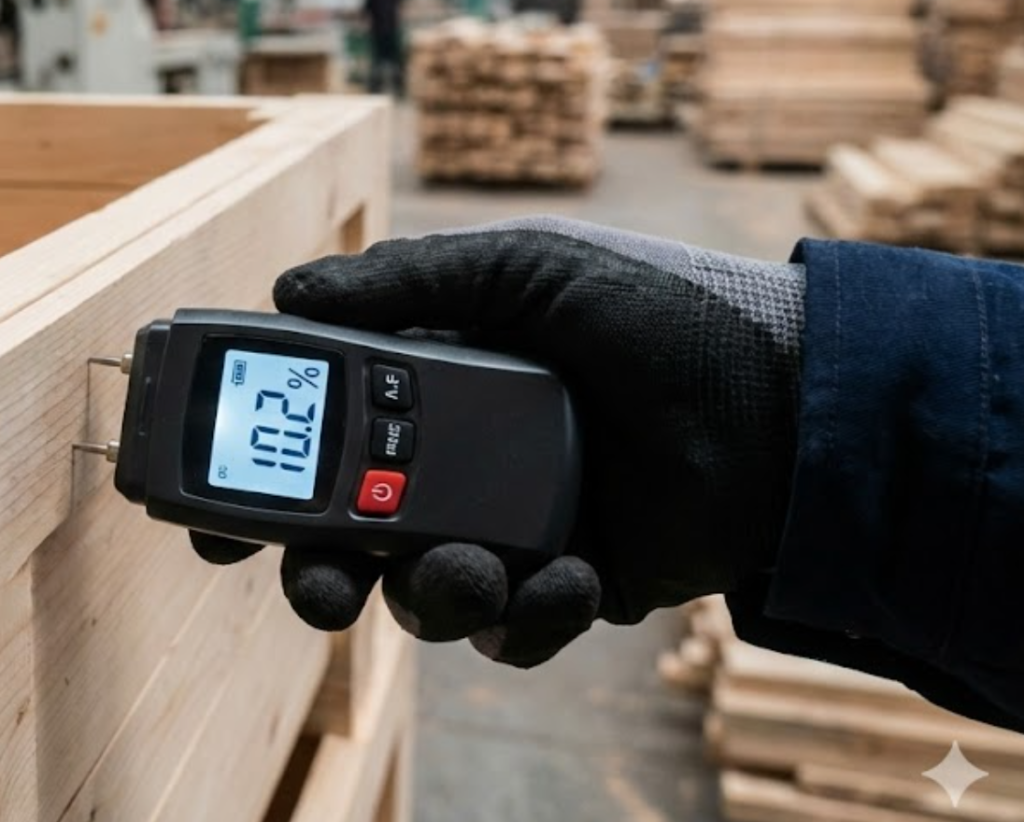
“What is your standard Moisture Content (MC) range for storage boxes?”
A professional answer should be between 8% to 12% depending on the wood type. If they don’t know the number or say “don’t worry, it’s dry,” run away.
At our facility, we measure MC at three stages: raw material arrival, after assembly, and before packaging.
3. Customization: It’s More Than Just a Logo
In the crowded home organization market, selling a generic box is a race to the bottom. You need differentiation.
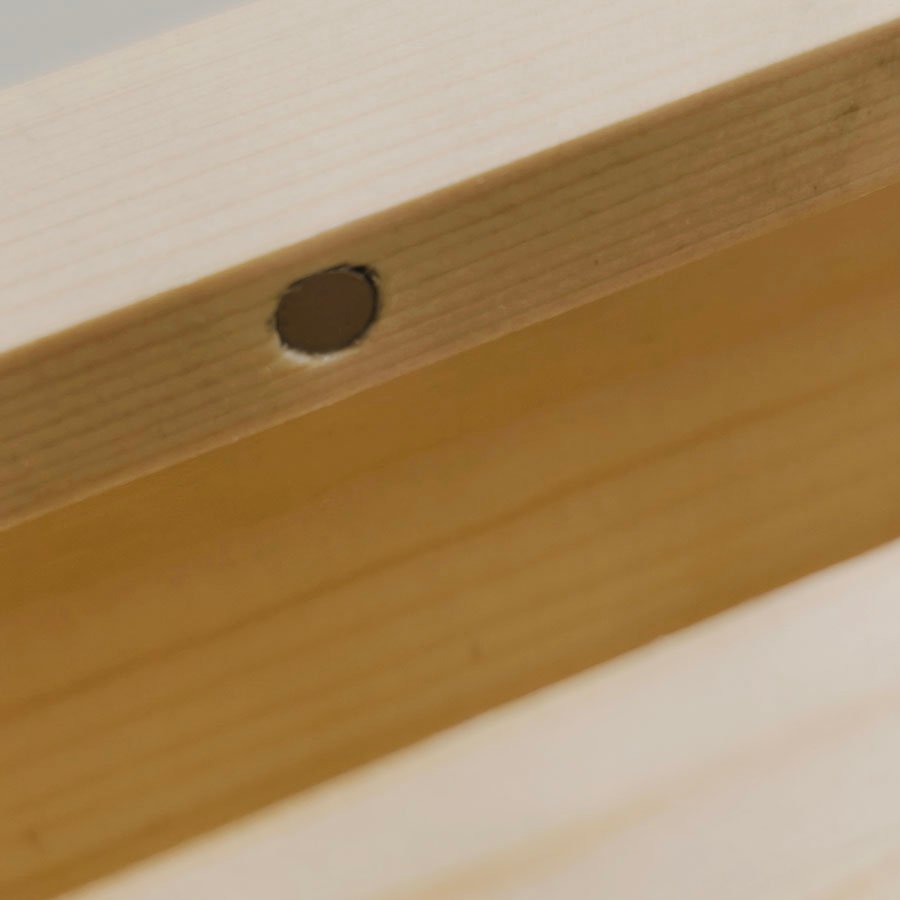
However, true customization isn’t just laser-engraving your logo on the lid. A top-tier wooden storage box supplier should offer structural engineering support.
- The “User Experience” of a Box: Does the lid slide smoothly, or does it get stuck? If it’s a hinged box, does it stay open at 90 degrees? These distinct tactile details are what drive 5-star reviews.
- Modular Design: Can we design a stackable system? Can we add a magnetic closure to replace the cheap metal latch?
We recently helped a client redesign a simple essential oil storage box.
By removing the metal hardware and using hidden magnets and a slide-out tray, the product looked more modern and “Apple-esque.”
They were able to raise their retail price by $10, just because the perceived value skyrocketed.
4. The Amazon FBA Factor: Packaging that Survives
If you are selling online, your product’s journey is brutal. It gets thrown onto trucks, dropped on conveyor belts, and tossed onto porches.
Many traditional factories still pack goods for “pallet shipping”—thinking the boxes will sit safely on a shelf. An e-commerce focused wooden storage box supplier knows that the packaging needs to pass the ISTA 3A Drop Test.
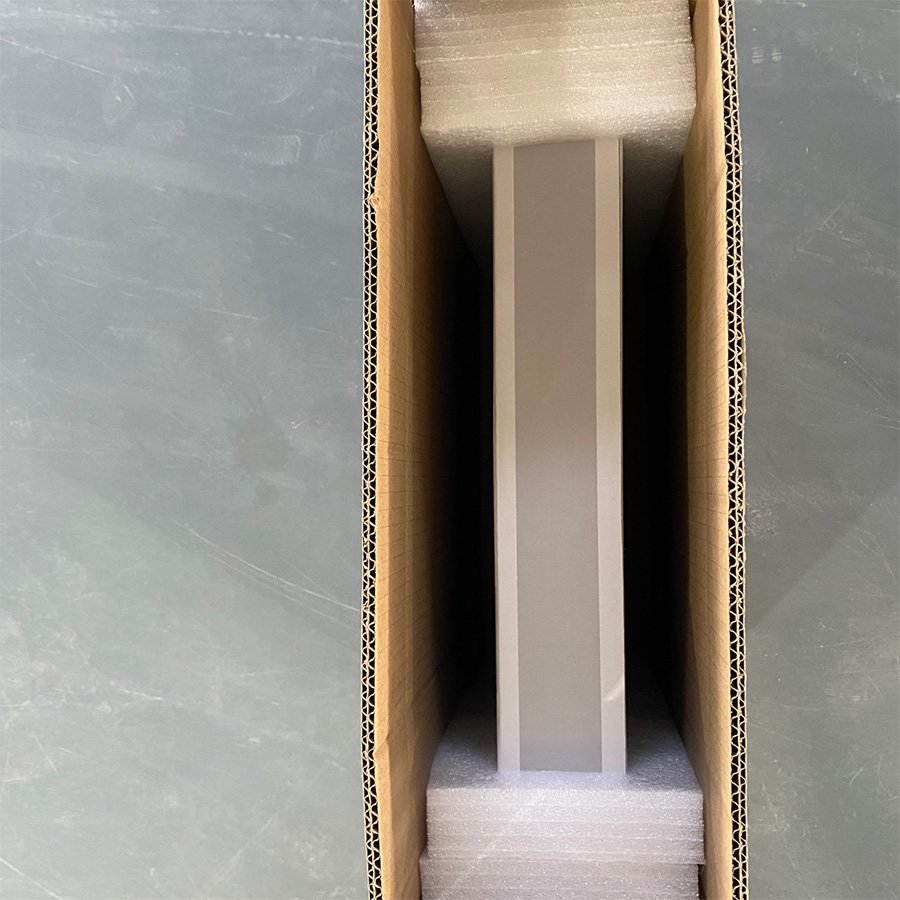
Red Flags in Packaging:
- Using thin, single-wall cardboard boxes for heavy wood items.
- Lack of corner protection (wood corners bruise easily).
- No desiccant packets (silica gel) inside the box to absorb container moisture.
We understand that paying for “air” (packaging materials) feels wasteful, but paying for returns and damaged goods is far more expensive.
We create custom mold styrofoam or eco-friendly honeycomb paper structures to ensure your wooden boxes arrive in pristine condition, ready for unboxing videos.
5. Sustainability is No Longer Optional
European and American consumers are becoming increasingly eco-conscious. They check labels. They want to know if the wood comes from a sustainable source.
Partnering with a responsible wooden storage box supplier allows you to make marketing claims that actually stick.
- Bamboo: Technically a grass, harvested every 3-5 years. Highly sustainable.
- Rubberwood: A byproduct of the latex industry; using it prevents waste.
- Acacia: Fast-growing and abundant.
Ask your supplier about their FSC (Forest Stewardship Council) status or their timber sourcing policies. Being able to put “Sustainably Sourced” on your packaging is a powerful conversion tool.
6. Communication: The “No-Surprise” Policy
Finally, let’s talk about the soft skills. Manufacturing has variables. Sometimes, raw material prices spike. Sometimes, power rationing happens.
The difference between a vendor and a partner is transparency.
A bad supplier hides problems until the day before shipment, leaving you scrambling.
A good supplier communicates potential delays weeks in advance and offers solutions (e.g., “The specific hinge you wanted is delayed, but we have a similar one in stock that costs $0.10 more,
but we will cover the difference to keep the schedule.”).
We believe in a “No-Surprise Policy.” You receive photos and videos during the production process—from the raw wood cutting to the final oiling—so you know exactly what is happening with your money.
Conclusion: Ready to Upgrade Your Supply Chain?
Finding the right wooden storage box supplier is an investment in your brand’s future.
You need a partner who obsesses over moisture content, understands e-commerce packaging, and provides honest advice on materials.
At Chic Homeware, we combine traditional craftsmanship with modern manufacturing standards. Whether you are looking for a rustic Paulownia crate series or a high-end Sapele coffee tasting board, we have the expertise to bring your vision to life.
Don’t settle for “good enough.” [Click here to chat with us on WhatsApp] or send us your tech pack today.
Let’s build something durable, beautiful, and profitable together.