
Every week in our Xiamen showroom, we get the same question from procurement managers: “Should I go with Acacia for my new line, or is Bamboo still the way to go?”
The truth? There isn’t a “better” material—there is only the right material for your specific market and price point. After years of handling sawdust, kiln-drying cycles, and shipping thousands of containers from Xiamen to the world, we’ve seen where these materials shine and where they fail.
Here is our honest breakdown of Acacia vs. Bamboo from a manufacturer’s perspective.
1. Acacia Wood: The “Heritage” Feel That Sells
If your brand targets the premium or gift market, Acacia is usually my first recommendation. Why? Because it doesn’t just hold bread or fruit; it tells a story.
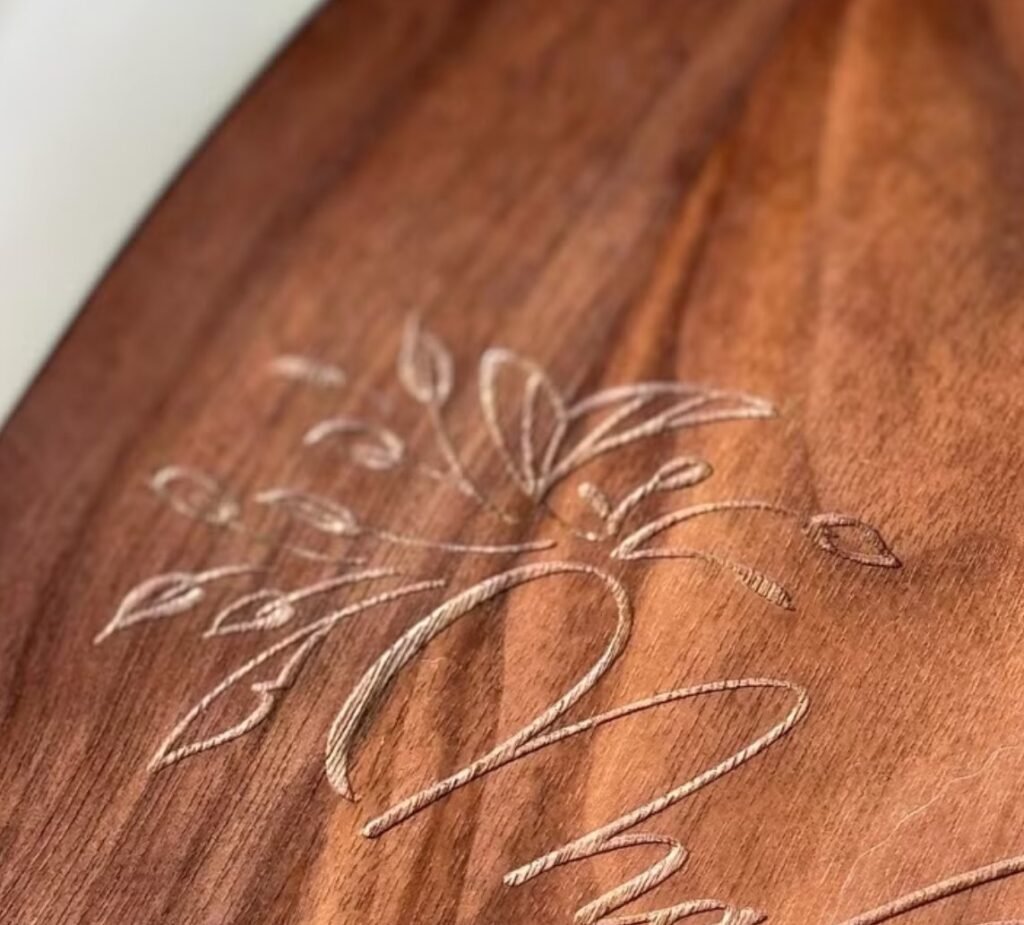
- The “Wow” Factor: Unlike the uniform look of bamboo, Acacia is wild. It has rich chocolate tones mixed with golden swirls. We often tell our clients: “With Acacia, every piece you sell is a limited edition.” This natural variation is exactly what justifies a $50+ retail price point.
- The Hardwood Reality: On the Janka scale, Acacia is a beast. It’s harder than Oak. If you’re sourcing cutting boards or heavy-duty salad bowls, Acacia is the winner. It won’t show knife marks as easily, and it feels “substantial” in the hand.
- A Pro Tip from the Workshop: Acacia is rich in natural oils, which makes it great for moisture resistance. However, because it’s a living hardwood, it’s “moody.” If not dried correctly, it can warp. (This is why our kiln-drying process is the most guarded part of our factory).
2. Bamboo: The Sustainable Powerhouse
Bamboo isn’t actually wood—it’s a grass. In the manufacturing world, we call it “Green Gold” because of its incredible efficiency.
- Consistency is Key: If you are an Amazon seller looking for drawer organizers or spice racks, Bamboo is your best friend. It’s uniform. You can order 10,000 units, and they will all look almost identical. This is a huge advantage for mass-market retail where customers expect exactly what they see in the photo.
- The “Carbon-Neutral” Narrative: For brands focused on sustainability, Bamboo is an easy sell. It grows to maturity in just a few years. When we manufacture bamboo products, we use a lamination process (layering strips of bamboo), which makes it incredibly stable. It’s less likely to “move” or crack than solid wood when shipped across different climates.
- Cost vs. Quality: Bamboo offers the best “bang for your buck.” It allows you to offer an eco-friendly product at a price point that appeals to everyone.
3. The “Secret Sauce”: Why Some Products Crack and Ours Don’t
Here is something most trading companies won’t tell you: The biggest risk in wooden homeware is the journey. A bread box that looks perfect in humid Xiamen can crack when it reaches a dry winter in Chicago or Oslo. Over the years, we’ve mastered the “climate-sync” process:
- Strict Kiln-Drying: We bring our wood down to 8%-12% moisture content. Any higher, and it will mold in the container; any lower, and it becomes brittle.
- Food-Grade Coating: We don’t just use any lacquer. Whether it’s a matte wax or a glossy finish, everything we use is LFGB and FDA compliant. If it’s touching food, it must be safe.
- Stress Testing: We test our joints and glues to ensure they withstand the rigors of daily kitchen use.
4. Quick Comparison: At a Glance
| Factor | Acacia (The Luxury Pro) | Bamboo (The Eco-Warrior) |
| Look | Dark, rich, unique grains | Light, clean, linear patterns |
| Feel | Heavy and premium | Lightweight and modern |
| Price | Mid-to-High | Budget-friendly |
| Best For | Gift sets, Luxury Bread Boxes | Kitchen Organizers, Pet Diners |
| Sourcing Goal | High margins / Brand prestige | High volume / Eco-utility |
5. 2025 Trends: What’s Moving Fast?
Right now, we are seeing a massive surge in “Mixed Material” designs. Combining our dark Acacia wood with matte black metal or marble is a huge hit for 2025.
Also, don’t overlook pet furniture. Our wooden elevated dog bowls have become one of our top-shipped categories this year. Pet owners are moving away from plastic and looking for pieces that match their home decor.
Conclusion: Let’s Build Something Great
At Chic Homeware, we believe a product is only as good as the material it’s made from—and the hands that craft it. Whether you’re looking for the timeless elegance of Acacia or the eco-efficiency of Bamboo, we’re here to help you navigate the sourcing process.
Need a sample or a custom quote? Don’t hesitate to reach out. We’re always happy to talk shop and help you figure out what will work best for your brand.