
Best Wood For Wooden Organizers
For sourcing managers and brand owners, choosing the right wood species for organizers is not just a design decision. It affects cost, stability in different climates, logo appearance, carton drop-test performance, and long-term repeat-order consistency. Pine, bamboo and walnut are three of the most requested materials for wooden organizers, yet each behaves very differently in production and in the supply chain.
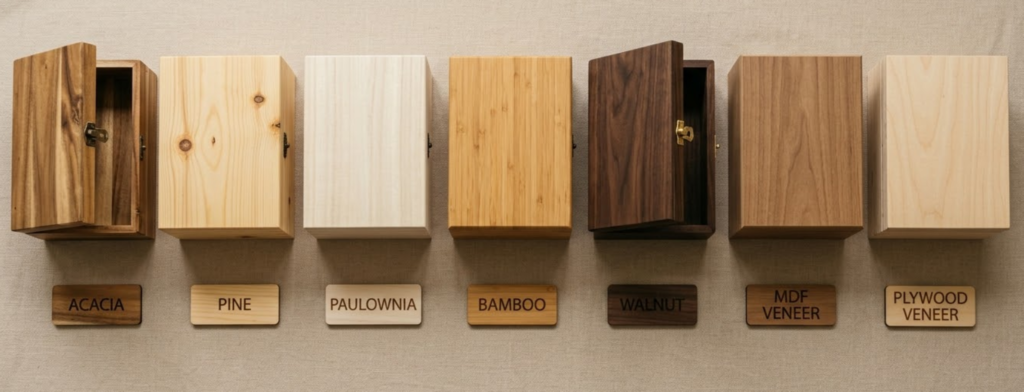
As an OEM/ODM partner, Chic Homeware works daily with pine, bamboo, walnut and other materials such as acacia, paulownia, MDF veneer and plywood veneer. This article shares a factory-oriented comparison to help importers, wholesalers and Amazon sellers decide when to choose pine, bamboo or walnut for custom wooden organizers, trays, desk caddies, kitchen storage and gift sets.
Key Factors When Selecting Wood for B2B Organizer Projects
Before comparing pine, bamboo and walnut, it helps to clarify the main decision criteria for B2B projects. Most of our buyers focus on these aspects:
- Target price and positioning: Entry-level, mid-range, or premium branding.
- End-use scenario: Desk organizer, kitchen storage, bathroom, wardrobe, cosmetic, tea, jewelry or gift packaging.
- Climate and market: Dry versus humid regions, EU vs US vs Middle East or Southeast Asia.
- Surface design: Natural grain, painted color, heavy stain, or bamboo stripe look.
- Logo process: Laser engraving, screen printing, UV printing, hot stamping or metal badge.
- MOQ, lead time and capacity: Whether you need fast sampling, trial orders or stable replenishments.
- Export packaging and damage control: How the material behaves under carton drop tests and long-distance shipping.
Different materials match different combinations of these needs. Below we break down pine, bamboo and walnut based on real production checkpoints used in our factory.
Pine, Bamboo and Walnut at a Glance
The table below summarizes how pine, bamboo and walnut typically compare for wooden organizers:
| Aspect | Pine | Bamboo | Walnut |
|---|---|---|---|
| Price level (material cost) | Lower | Mid | Higher |
| Visual style | Light, knotty, Scandinavian | Striped, modern, eco image | Dark, rich, premium |
| Weight & feel | Light to medium | Medium, dense | Medium-heavy, solid |
| Best for | Entry/mid organizers, painted items, gift boxes | Kitchen & bathroom organizers, eco branding | Premium desk, jewelry, whiskey, watch organizers |
| Surface finishing | Accepts paint and stain well; knots need control | Needs careful sanding and edge control | Shows grain beautifully; color consistency critical |
| Logo application | Printed & hot-stamped logos show clearly | Laser engraving popular and sharp | Engraving and subtle logos for premium look |
| Export handling | Very manageable; lightweight cartons | Good stability; moderate weight | Requires tighter packaging to protect premium finish |
When to Choose Pine for Wooden Organizers
Pine is one of the most cost-effective solid wood options for organizers. It is widely used for storage boxes, desktop organizers, cosmetic organizers, tea boxes and gift packaging where a light color or painted finish is desired.
Advantages of Pine for B2B Projects
- Competitive material cost: Pine helps keep unit price under control, especially when you have multi-piece sets or nested organizers. This is useful for value-position brands or e-commerce bundles.
- Light weight for shipping: Pine organizers keep carton weight lower, which influences freight cost and makes carton drop tests easier to pass with standard protective packaging.
- Flexible finishing: Pine accepts a wide range of finishes—clear lacquer, light to dark stains, and solid paints. It is a good base for white or colored organizers used in bathroom, nursery or office collections.
- Easy machining for customization: It allows efficient routing, drilling and assembly for custom compartments, dividers, lids and handles, keeping lead times practical for private label projects.
Production Considerations for Pine Organizers
From a factory perspective, the critical checkpoints for pine are:
- Moisture control: Pine is more sensitive to moisture changes than hardwoods. We manage kiln-drying and warehouse humidity carefully to reduce warping, cracking or lid misalignment, especially for EU and US climates.
- Knots and grading: Pine naturally has knots. For premium-looking organizers, we sort boards by knot size and position. For painted finishes, we treat knots to minimize future resin bleed-through.
- Sanding consistency: Pine can have softer and harder areas around knots. Consistent sanding ensures smooth surfaces for paint or printing and avoids uneven absorption of stain.
- Joint and structure optimization: Because pine is soft, structural design matters. We optimize wall thickness, bottom panel thickness and joint type so organizers can withstand stacking and carton drop tests without deformation.
Typical Pine Organizer Use Cases
- Painted vanity and cosmetic organizers: Multi-compartment storage with white or pastel finishes, often with silk-screen logos and color box packaging.
- Gift packaging boxes: Pine boxes for wine, small electronics or spa sets, sometimes combined with MDF or plywood veneer lids to control cost and weight.
- Office and kids’ storage: Lightweight desk organizers, stationery caddies and craft storage where price and weight are more important than luxury grain patterns.
For many clients, pine is the starting point when exploring a new organizer concept. Designs can later be upgraded to walnut or to bamboo if the market proves strong.
When to Choose Bamboo for Wooden Organizers
Bamboo fits buyers targeting a modern, eco-conscious image, especially for kitchen, bathroom and wardrobe organizers. While technically a grass, bamboo is processed as panels and treated similarly to wood in production.
Advantages of Bamboo for B2B Projects
- Eco-oriented brand positioning: Bamboo’s fast growth supports an environmentally aware image. Many home and kitchen brands use bamboo to communicate sustainability and natural living.
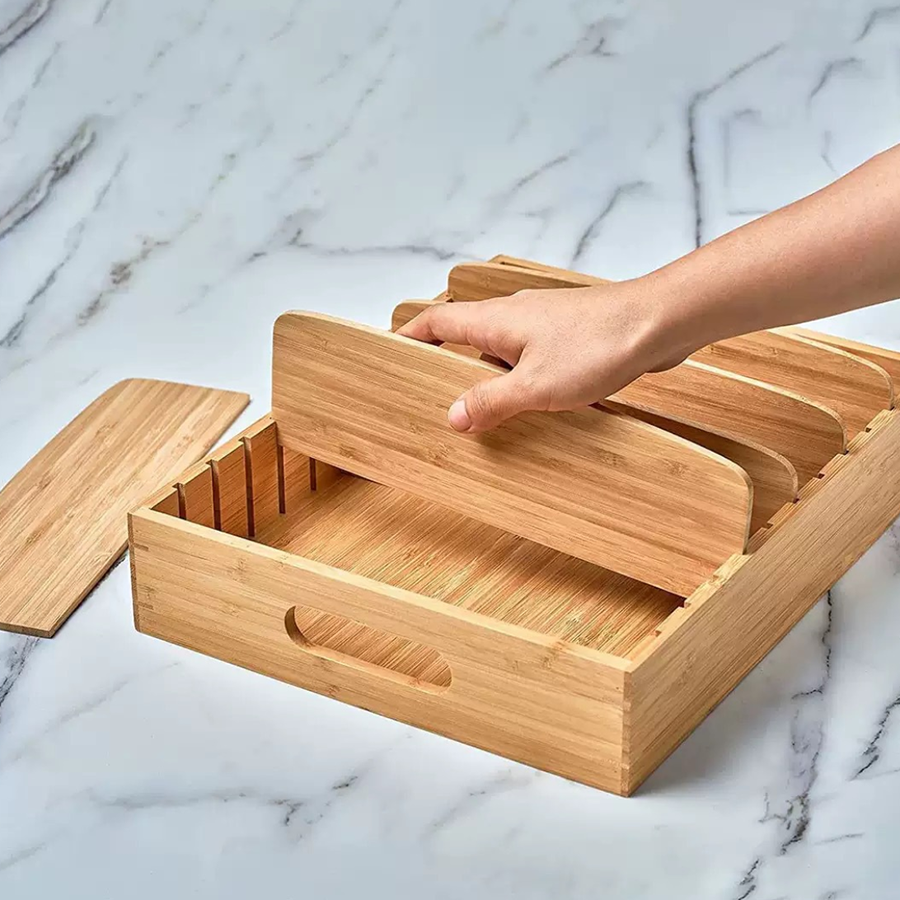
- Modern, uniform look: Bamboo’s linear grain and laminated structure give organizers a clean, contemporary appearance. This works well for drawer organizers, cutlery trays, spice racks and closet inserts.
- Good hardness and stability: Bamboo is denser than pine and handles frequent use and light impact better, making it suitable for kitchen drawers or bathroom counters.
- Strong for thin walls: Bamboo panels allow relatively thin yet stable walls, so we can fit more compartments into standard drawer sizes without making the product too bulky.
Production Considerations for Bamboo Organizers
Working with bamboo requires careful control at several steps:
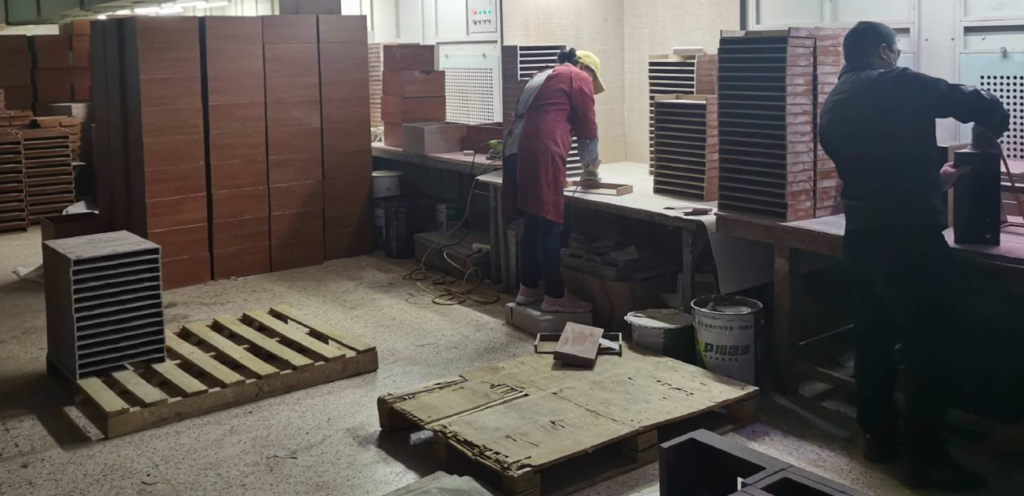
- Panel quality and moisture: We check for consistent lamination and control moisture content to reduce the risk of micro-cracks or delamination, particularly for organizers exposed to humidity changes in kitchens and bathrooms.
- Edge sanding and finishing: The ends of bamboo panels show the lamination pattern and can feel sharp if not sanded properly. Our sanding standards focus on edges and corners to avoid complaints about roughness.
- Color consistency: Bamboo tones can vary between batches (natural vs slightly caramelized). For repeat orders, we keep material records and reference samples to maintain visual consistency at the brand level.
- Logo methods: Laser engraving is popular on bamboo, giving a high-contrast mark without additional color. Screen printing and UV printing are also used for logos with brand colors.
Typical Bamboo Organizer Use Cases
- Kitchen drawer organizers: Adjustable or expandable trays, knife organizers and spice drawers that need stability and a clean appearance.
- Bathroom caddies and countertop organizers: Bamboo is perceived as moisture-friendly, especially with proper coating. We usually apply a clear protective finish to improve cleanability.
- Wardrobe and closet organizers: Belt, tie and accessory trays, where the bamboo look fits with a modern interior style.
Bamboo is a good middle option when you want something more distinctive than pine, but do not need the heavy premium positioning of walnut.
When to Choose Walnut for Wooden Organizers
Walnut is strongly associated with premium and luxury. It is commonly chosen for high-end desk organizers, watch and jewelry boxes, whiskey and cigar presentation boxes, and executive gift sets.
Advantages of Walnut for B2B Projects
- Premium grain and color: Walnut’s natural dark tone and grain elevate perceived value without heavy staining. It supports a higher retail price and premium brand positioning.
- Rich tactile experience: Properly sanded and lacquered walnut feels noticeably different from pine or bamboo. This matters for products that are handled daily, like drawer-top organizers or charging stations.
- Strong storytelling for branding: Many brands use walnut to signal craftsmanship and quality. It pairs well with metal hardware, leather inserts and glass lids for premium organizer lines.
Production Considerations for Walnut Organizers
Because walnut is a higher-value material, production control has a direct impact on cost efficiency and consistency:
- Material yield and structure design: To control cost, we carefully plan cutting layouts and often recommend combining solid walnut with walnut veneer on MDF or plywood where structurally suitable, such as lids or side panels.
- Color and grain matching: For sets and multi-piece organizers, we pay close attention to grain direction and tone matching, so that each piece in a set looks consistent on the shelf or in online photos.
- Finishing system: Walnut does not require heavy staining; instead we focus on fine sanding and clear or slightly tinted coatings to protect and enhance the natural color while maintaining surface smoothness.
- Logo and hardware details: Laser engraving on walnut can be subtle. Many premium brands opt for metal badges, inlaid logos or carefully positioned subtle engraving. Hardware fitting (hinges, magnets, soft-close elements) requires tight tolerances to match the premium positioning.
Typical Walnut Organizer Use Cases
- Desk and office organizers: Premium desk caddies, pen trays and document organizers for corporate gifting or executive products.
- Watch, jewelry and accessory boxes: Walnut’s dark tone works well with velvet or leather inserts and glass lids for upscale displays.
- Whiskey, cigar and presentation sets: Organizer-style boxes for bottles, glasses and accessories, often with custom inserts and branding for special editions.
For brands planning a premium or flagship line, walnut—either solid or as a veneer—delivers a clear upgrade from pine or bamboo.
Other Material Options to Consider Alongside Pine, Bamboo and Walnut
While pine, bamboo and walnut cover many needs, some projects benefit from mixed materials or alternative woods. At Chic Homeware, our material routes also include acacia, paulownia, MDF veneer and plywood veneer.
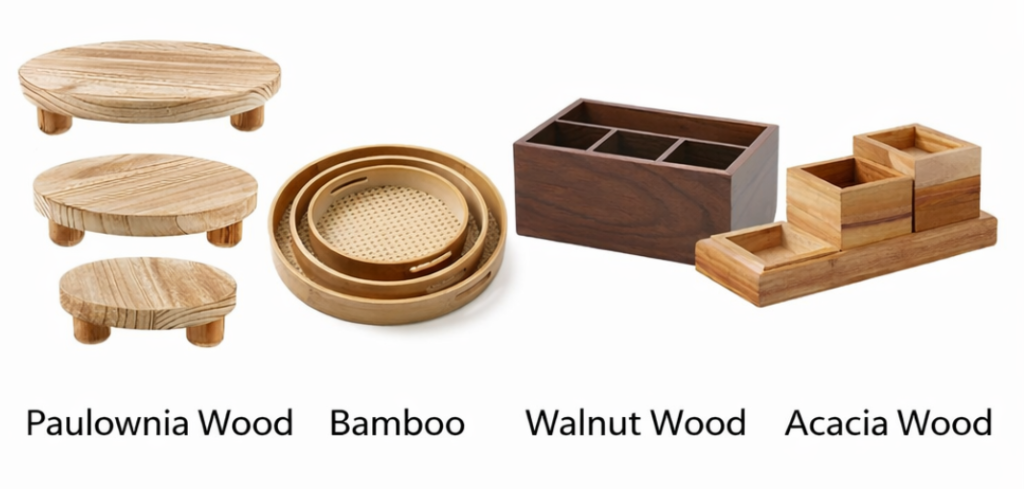
- Acacia: Suitable for mid- to upper-range organizers and trays where a stronger grain and warm tone are desired, especially for kitchen and serving items.
- Paulownia: Extremely lightweight, useful for large but weight-sensitive packaging boxes and organizers that need to keep international shipping costs under control.
- MDF veneer: Combines a stable core with a decorative wood veneer (e.g., walnut veneer). Ideal for flat surfaces like lids, drawer fronts and panels that must remain stable over time.
- Plywood veneer: Good when structural strength is important, such as for larger organizers or items that will carry heavier contents.
Many projects use a hybrid approach, such as pine or plywood structures with walnut or acacia veneer surfaces, balancing cost and appearance while maintaining reliable structural performance.
Matching Material to Use Case: Practical Scenarios
Below are some typical scenarios we see from importers and brand owners, and how we guide material choices.
Scenario 1: Entry-Level Desk Organizers for Online Channels
Buyer goal: Competitive pricing, fast development, simple branding for e-commerce or promotional channels.
- Recommended material: Pine or paulownia (if very large and weight-sensitive).
- Finishing: Painted white or light colors; clear lacquer for natural style.
- Logo: Screen print or UV print; simple one-color logos keep cost stable.
- Packaging: Mailer carton with simple color label; carton mark customized for FBA or warehouse systems.
Here, pine offers an ideal balance between cost, flexibility and production speed. Bamboo or walnut would look attractive but may overspec the product relative to the target retail price.
Scenario 2: Kitchen Drawer Organizer Program for Retail Chains
Buyer goal: Stable quality and sizing, strong eco image, repeat orders for multiple seasons, and solid shelf presentation.
- Recommended material: Bamboo.
- Finishing: Clear food-contact-friendly coating suited for kitchen use (as specified by buyer compliance requirements).
- Logo: Laser engraving in discreet locations; optional color logo on packaging.
- Packaging: Color box with product photo and usage instructions; export carton optimized for stacking and drop tests.
Bamboo’s modern look and hardness make it a strong choice here, with good acceptance in both EU and US markets, especially for kitchen categories.
Scenario 3: Premium Gift Sets and Executive Organizers
Buyer goal: High perceived value, differentiated look, and long-term brand positioning.
- Recommended material: Walnut (solid and/or walnut veneer on MDF or plywood).
- Finishing: Fine sanding with clear or slightly tinted lacquer; attention to grain orientation.
- Logo: Subtle laser engraving, metal badge, or inlay; often supported by premium printed packaging.
- Packaging: Rigid gift box or upgraded color box with inner fitments; higher protection level in export cartons due to higher product value.
Walnut matches the expected level of quality for corporate gifts, premium subscription boxes and limited-edition sets. Structural optimization and protective packaging are especially important for minimizing claims.
How Material Choice Impacts Export Packaging and Damage Control
Material selection for organizers affects not only appearance but how we design export packaging and manage damage risk during transport.
- Pine: Lighter weight means less stress on joints during impact, but pine can dent more easily. We focus on corner and edge protection and ensure internal dividers add structural support.
- Bamboo: Its density protects against small impacts, but thin sections need proper support. We adjust inner cartons, separators and polybags to minimize friction between pieces.
- Walnut: Because of its higher value, we normally recommend additional cushioning, corner protection and sometimes individual mailer cartons, especially for organizers with glass or hardware.
As a Custom Wooden Products Manufacturer, we consider carton drop-test thinking from the beginning of each project. Material, structure, inner packing and carton size are combined to reach your target damage rate and shipping cost.
FSC-Sourcing, Compliance and Repeat-Order Consistency
Many buyers now connect material choice with sourcing conversations and regulatory compliance.
- FSC-oriented discussions: For pine, bamboo and walnut, we can follow FSC-related sourcing discussions as required by some EU and US buyers. Document requirements are clarified at the quotation stage.
- Compliance communication: For organizers used in kitchens, bathrooms or for children, we coordinate testing and documentation based on your target market regulations. Material finish (lacquer, oil, paint) is selected accordingly.
- Repeat-order stability: We keep production records for material batches, finish formulas and logo processes, helping maintain consistency across repeat orders, even when placed months apart.
Choosing pine, bamboo or walnut is not only a design decision; it also sets the framework for how we manage long-term sourcing stability on your program.
Custom Structures, Compartments and Hardware Across All Materials
No matter which material you choose, structure design is key for functional and cost-effective organizers. Chic Homeware supports common B2B customization points such as:
- Size and compartments: Tailored to drawers, shelves or product sets; adjustable dividers, removable trays or stackable modules.
- Hinges and magnets: For lidded organizers, gift boxes or specialty packaging, with magnet strength adjusted for material thickness.
- Inserts: Foam, EVA, fabric, paperboard or wooden inserts to hold cosmetics, bottles, electronics or jewelry.
- Logo and color box: Multiple logo processes combined with customized color boxes, mailer cartons and carton marks to match your logistics system or FBA requirements.
For more complex projects like organizer-box hybrids, serving trays or sofa arm trays, our experience as a Wooden Products Factory in China allows us to propose mixed material options (for example pine structure with bamboo veneer, or MDF with walnut veneer) to balance price, stability and appearance.
Choosing the Right Partner for Custom Pine, Bamboo and Walnut Organizers
Once you have a clear idea about pine vs bamboo vs walnut, working with an OEM/ODM partner that understands material behavior, moisture control, finishing and export packing is essential.
At Chic Homeware, our workflow covers:
- Project evaluation: Matching your target price, market positioning and function with suitable material and structure options.
- Sample development: Creating pine, bamboo or walnut samples (or mixed material combinations) for approval, including logo and packaging trials.
- MOQ discussion: Proposing practical starting quantities and discussing how to scale up with stable quality and reasonable lead times.
- Export packaging planning: Designing inner packing and carton specs around your target damage rate, carton drop-test requirements and shipping method.
If you need more specialized structures such as lockable organizers, multi-layer jewelry towers or organizer sets that double as gift packaging, our experience in Custom Wooden Boxes provides an additional reference point for hinges, magnets, inserts and padding solutions.
Conclusion: How to Decide Between Pine, Bamboo and Walnut
To summarize the decision logic for B2B buyers:
- Choose pine if your organizer needs to stay cost-effective, lightweight and flexible in finishing—ideal for entry to mid-range desk, cosmetic and gift organizers.
- Choose bamboo if you want a modern, eco-oriented look with good stability for kitchen, bathroom and wardrobe organizers.
- Choose walnut if you are building a premium or luxury organizer line where grain, color and tactile quality justify a higher price point.
The best solution often combines material choice with structure design, finishing, logo application and tailored export packaging. If you are evaluating a new organizer project or looking to improve an existing range, Chic Homeware can review your drawings, reference samples or target prices and recommend a suitable path in pine, bamboo, walnut or mixed materials.
To discuss your next organizer project and receive material suggestions, samples and quotations tailored to your market, please Contact Chic Homeware.