
What Buyers Should Know About MDF Veneer vs Solid Wood Boxes
When you plan a new wooden box program – whether for gifting, retail presentation or functional storage – one of the most important early decisions is material: MDF veneer or solid wood. This choice affects your cost structure, branding possibilities, packing method, quality risk, and even how easily you can repeat orders over several seasons.
At Chic Homeware, we work daily with acacia, pine, paulownia, bamboo, walnut, MDF veneer and plywood veneer for OEM/ODM wooden boxes and related products. This article summarizes the key technical and commercial points buyers should understand when comparing MDF veneer vs solid wood boxes, based on real project experience with importers, wholesalers, distributors and online brands.
Understanding MDF Veneer vs Solid Wood for Boxes
What is an MDF Veneer Box?
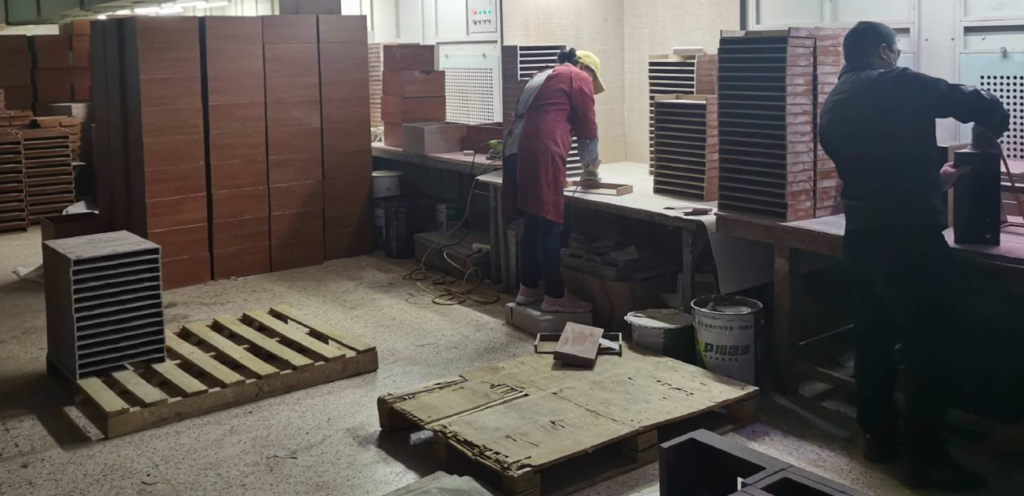
MDF veneer boxes use an engineered core (medium-density fiberboard) with a natural wood veneer or engineered decorative paper on the surface. The core is stable, flat and consistent in thickness, which supports precise machining and smooth finishing.
Typical features buyers appreciate:
- Very flat surfaces – ideal for uniform painting, screen print, UV printing or decals.
- Consistent dimensions – less variation between pieces, helpful for fitted inserts or multi-box sets.
- Cost management – especially attractive for painted, colored or modern-style boxes where visible wood grain is secondary.
What is a Solid Wood Box?
Solid wood boxes are produced from lumber boards in species such as pine, paulownia, acacia, bamboo and walnut. They show natural grain, color variation and knots, which can be an advantage or a concern depending on your positioning.
Typical features buyers appreciate:
- Natural appearance – visible wood grain supports higher perceived value and a more eco-oriented story.
- Stronger brand storytelling – especially in acacia, walnut or bamboo for lifestyle and gift packaging projects.
- Mechanical strength – well-designed structures can handle heavier contents and repeated handling.
Key Comparison: MDF Veneer vs Solid Wood Boxes
1. Cost Structure and Price Stability
From a buyer perspective, the material choice should align with your price point and margin requirement.
- MDF veneer generally provides better cost performance for painted or uniform-color boxes. Material yield is high and wastage is lower.
- Solid wood pricing fluctuates more with species availability, thickness, and grading requirements (e.g. fewer knots, more consistent color).
If your design will be fully painted or covered with film, MDF veneer is usually more cost-efficient. If natural grain is a key part of your selling point, solid wood is worth the additional investment.
2. Appearance and Branding Possibilities
Many brand owners come to us with mood boards and reference photos, but the material behavior behind those aesthetics is often overlooked.
- MDF veneer boxes are ideal for:
- Matte or gloss painted finishes in branded Pantone colors.
- Clean, minimal modern designs with sharp edges.
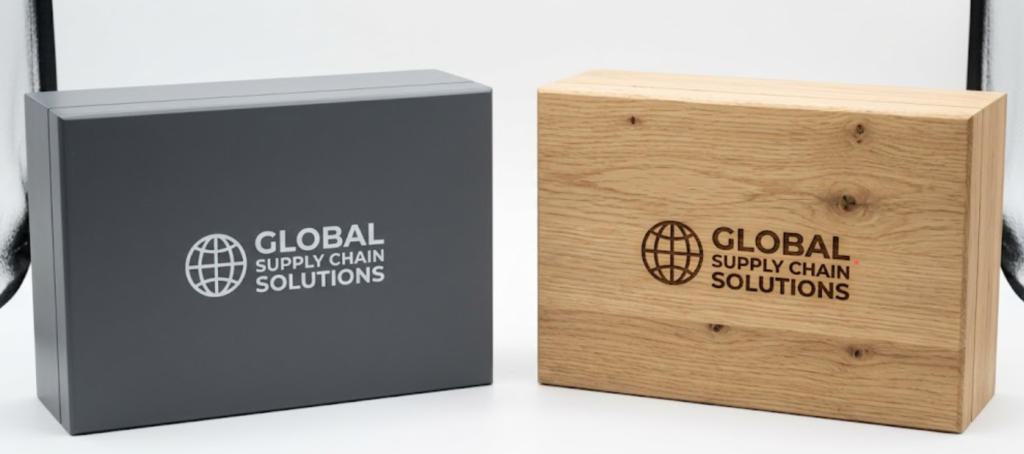
- Complex logos using UV printing, multi-color screen print or transfer decals.
- Solid wood boxes are ideal for:
- Clear or light stain finishes that highlight grain.
- Rustic, natural, farmhouse, or premium artisanal positioning.
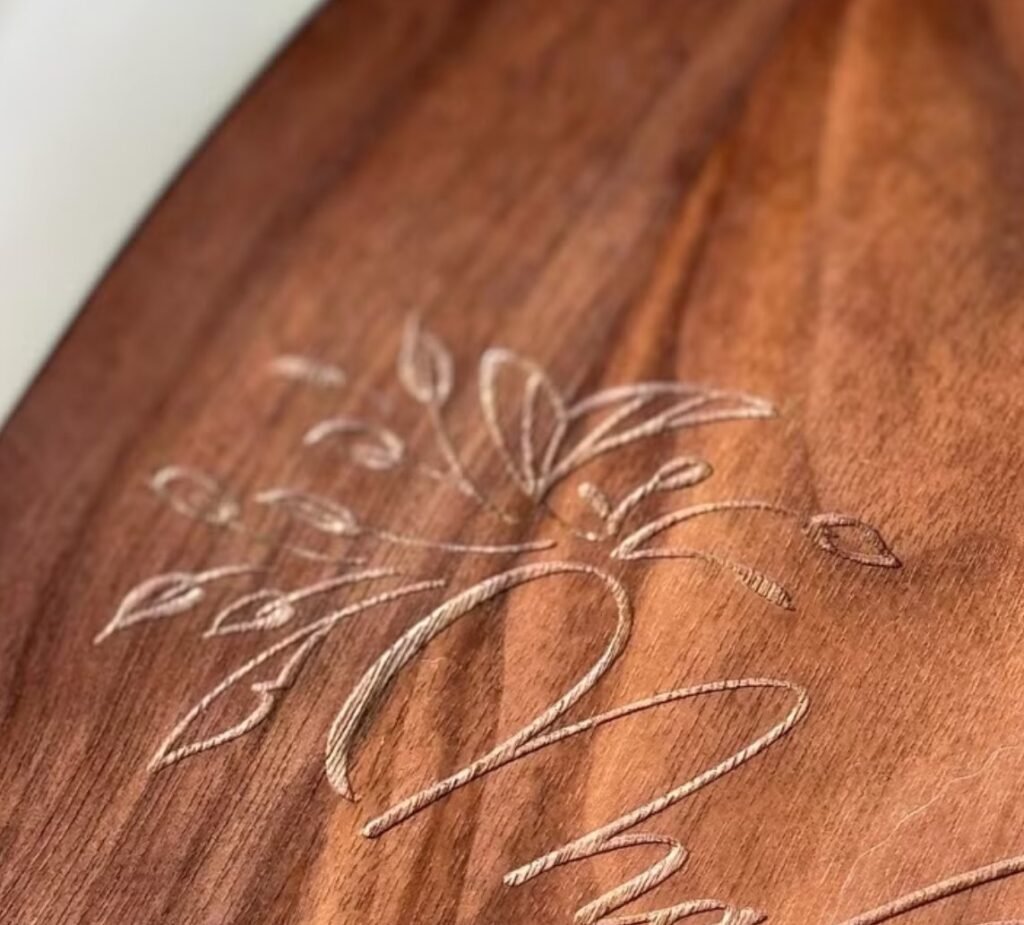
- Laser engraving or heat stamp logos that leverage the natural fiber of the wood.
In many OEM/ODM projects, we also propose mixed material routes, such as a solid wood frame with MDF panels or a veneer lid on a solid body. This hybrid approach can balance appearance and cost while maintaining structure stability.
3. Moisture Control and Dimensional Stability
Moisture behavior is one of the main technical differences buyers should understand, especially when shipping to regions with large climate changes.
- MDF veneer is naturally more dimensionally stable than solid wood. It has less tendency to warp or crack if moisture content and sealing are handled correctly.
- Solid wood expands and contracts with humidity changes. If moisture content is not tightly controlled before production and finishing, panels can warp, joints can open, and lids may not sit flush after arrival.
At Chic Homeware, we treat moisture control as a core production checkpoint for both structures:
- Monitoring moisture content of incoming lumber and MDF core.
- Pre-production conditioning and storage in controlled areas.
- Applying suitable sealers and topcoats to reduce moisture exchange.
For buyers shipping to dry climates (such as some US states) from humid coastal areas, we often recommend MDF veneer or more compact solid species (e.g. acacia or bamboo) for critical flat surfaces such as lids and sliding panels.
4. Structural Strength and Weight
Different projects place very different demands on the box performance.
- MDF veneer provides good structural stability for typical gifting, cosmetics, tea, light electronics and presentation boxes. However, MDF is heavier than most light softwoods, and thick panels can increase unit weight and freight costs.
- Solid wood allows more flexibility in weight design. Using species like paulownia or pine, we can keep the box relatively light while still maintaining structural integrity. For premium segments, acacia or walnut offer a dense, high-end feel.
For heavier contents (glass bottles, tools, dense sets), we pay special attention to:
- Panel thickness and rib structure.
- Joint design (e.g. finger joints, dovetail, or reinforced miters).
- Bottom panel material selection and support bars.
These decisions are integrated with the material choice to make sure the boxes survive the full route, from factory packing to final user unboxing.
5. Surface Finishing and Color Control
An important practical difference is how MDF veneer and solid wood react to coatings.
- MDF veneer has a smooth, homogenous surface that accepts primer and paint very evenly. This makes it ideal for solid color finishes and strict Pantone matching. Sanding consistency is also easier to maintain.
- Solid wood absorbs stain and paint differently along and across grain, especially at end grain. Natural color variation between boards means that final box sets will never look 100% identical.
For brand owners sensitive to color consistency across reorders, MDF veneer is often better for painted finishes. For those who are selling natural variation as part of their story, solid wood remains the preferred route. In both cases, we establish a clear finishing standard during sampling, including:
- Sample board for color and gloss level.
- Agreed tolerance on color shift between batches.
- Logo application tests on the selected finish (screen print, laser, foil stamp, etc.).
6. Logo Application and Branding Techniques
Logo and graphic options differ slightly between MDF veneer and solid wood.
- On MDF veneer boxes, we commonly use:
- Screen printing for solid logos and simple graphics.
- UV printing for multi-color images or gradient effects.
- Transfer decals when the design is complex but the budget is limited.
- On solid wood boxes, we commonly use:
- Laser engraving for a natural, subtle mark that does not peel.
- Heat stamping or foil stamping for premium metallic logos.
- Silk screen printing over clear or stained finishes.
MDF veneer surfaces are generally more forgiving for fine lines and small text in printing. Solid wood can show minor grain interference in highly detailed artwork, so we often suggest slight adjustments to line weight or logo scale.
Design and Customization Considerations
Whether you choose MDF veneer or solid wood, the core value of an OEM/ODM supplier is design support around structure and production feasibility.
Size, Compartments and Inserts
MDF veneer and solid wood are both suitable for multi-compartment boxes, but design logic is different.
- For MDF veneer boxes, we can use thin MDF partitions, grooves and slots to create precise grids – useful for tea bags, cosmetics, vials, or jewelry.
- For solid wood boxes, partitions are often slightly thicker and can integrate dowels or rebated joints for strength. This suits wine, spirits, gift sets and heavier items.
We also combine wood boxes with:
- EVA, foam or cardboard inserts.
- Flocked or fabric-lined interiors.
- Plastic or glass holders if required by the product.
During project development, we normally confirm the dimensions of the products going inside, plus any tolerance required for manual packing, and then adjust box size and insert structure around those measurements.
Hinges, Magnets and Hardware
Hardware selection must match both material and structure thickness.
- MDF veneer works well with concealed hinges, small piano hinges and embedded magnets, because the core provides even resistance to drilling and slotting.
- Solid wood is ideal for visible rustic hardware, brass fittings, latches and more decorative closures. However, we must consider grain direction to avoid splitting when inserting screws.
For both types, we recommend locking in hardware specifications at the sampling stage – including color plating, magnet strength and screw type – to ensure repeat-order consistency.
MOQ, Sampling and Lead Time Considerations
Buyers often ask whether MDF veneer or solid wood will give them a better MOQ and lead time. The realistic answer is that it depends on structure complexity and finishing.
- MDF veneer boxes with simple painting are usually efficient for larger volume programs with clear color standards. Production flow is straightforward and stable.
- Solid wood boxes may require more time in lumber preparation, sorting and additional sanding, especially for higher-grade finishing. For rustic styles with minimal coating, the lead time difference becomes smaller.
For new customers, we normally start from a sample development phase: one or two material options, agreed finishing and logo method, plus initial discussion of target price range and volume forecast. This reduces risk for both sides before you commit to final orders.
Quality, Damage Control and Export Packaging
Sanding Consistency and Edge Treatment
Sanding quality directly affects how the box feels in the hand and how the finish adheres.
- MDF edges need careful sealing and fine sanding to avoid fiber raising under paint or lacquer.
- Solid wood edges must balance softness with protection; too sharp and they can chip, too round and the box loses its clean profile.
We set sanding standards based on the final use environment, for example smoother surfaces for gift packaging, and slightly more robust edges for heavy-duty storage boxes.
Carton Design and Drop-Test Thinking
Regardless of material, export packaging is a major risk-control area. MDF veneer and solid wood behave differently under impact.
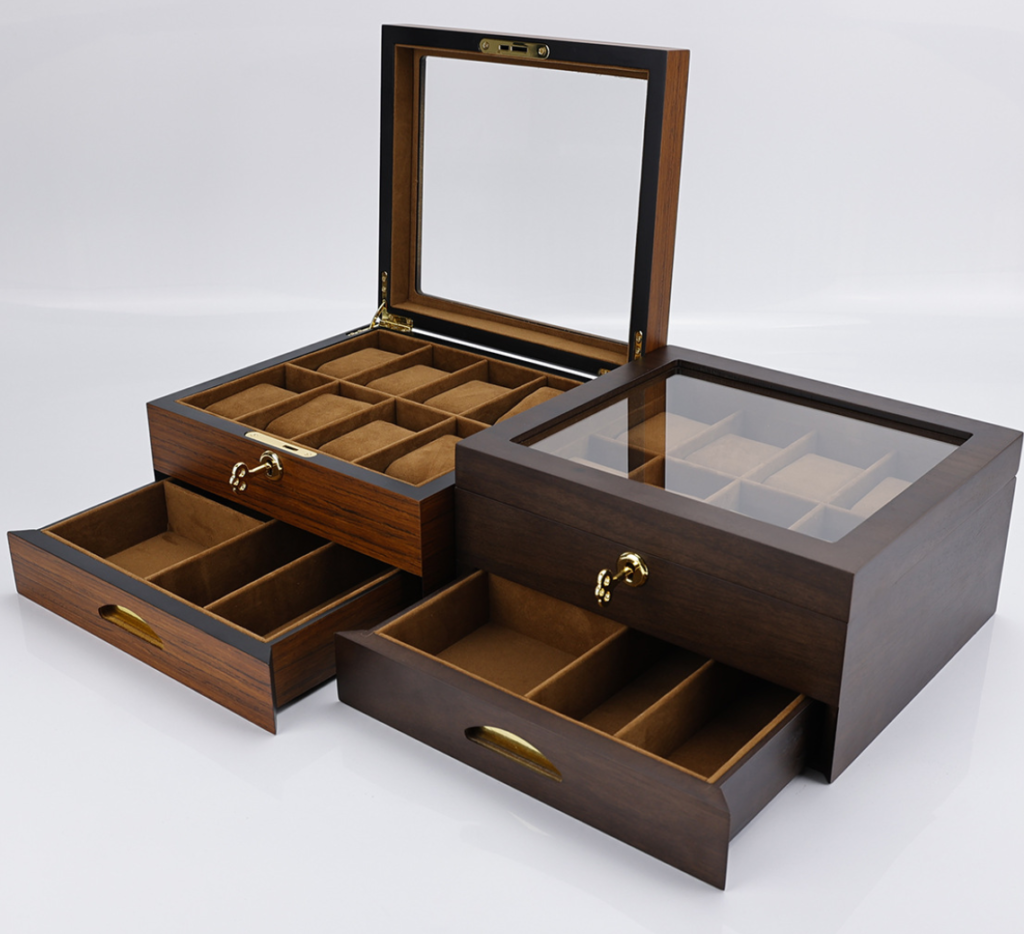
- MDF veneer is dense and can be more brittle at corners if not well protected. We typically add corner protection, interlayers, and consider foam or honeycomb when there are multiple boxes in one carton.
- Solid wood tolerates certain impacts better, but protruding hinges, knobs or metal corners need protection to avoid bending or scratches.
For customers selling online or through fulfillment centers, we often design packaging with carton drop-test thinking in mind – for example, separating individual mailer cartons (ready to ship) from the outer export master carton. This approach reduces damage claims and protects your ratings and brand reputation.
Repeat-Order Consistency
Stability across reorders is a core B2B concern. Material selection plays a role in how easily we can maintain stable appearance and structure.
- MDF veneer boxes are generally easier to keep consistent in color and dimension, especially for painted finishes.
- Solid wood boxes may show some seasonal variation in grain and base color even with the same finishing formulation. We manage this by controlling supplier lots, grading and pre-production color checks.
In both cases, we keep reference samples and production records so that second or third orders can be compared against the original approval standard.
Sustainability and Sourcing Conversations
Many EU and US buyers now raise sustainability and compliance topics early in their RFQ. Both MDF veneer and solid wood can fit into responsible sourcing frameworks if managed correctly.
- We can support FSC-oriented sourcing discussions, including veneer and lumber options that align with your corporate policy.
- We communicate openly about the origin of main materials and available documentation for project-based compliance reviews.
- We help adjust structures to reduce material wastage while keeping performance, for example using MDF or plywood veneers in non-visible panels combined with solid wood on visible areas.
The best route depends on your internal compliance requirements and your market positioning. For some programs, a lighter species such as paulownia or bamboo achieves both sustainability messaging and logistics savings; for others, MDF veneer with certified veneer can be the optimal solution.
How Chic Homeware Supports Your MDF Veneer and Solid Wood Box Projects
Factory-Oriented OEM/ODM Workflow
Chic Homeware operates as a Custom Wooden Products Manufacturer with a factory-oriented supply chain and flexible material routes. When you bring a concept – or even just a reference image – we translate that into a manufacturable structure in MDF veneer, solid wood, or a mix.
Our typical workflow includes:
- Early-stage consultation on material options and cost/positioning impact.
- Sample development with defined finishing, logo and hardware specifications.
- Refinement of structure for stability, moisture performance and efficient packing.
- MOQ and lead time optimization based on your channel (retail, wholesale, online).
Experience with Different Wood Species
For solid wood boxes, we work with a range of species, each suitable for different use cases:
- Pine: cost-effective, suitable for rustic or painted boxes.
- Paulownia: extremely light, good for larger boxes where weight is critical.
- Acacia: rich grain, ideal for premium gift boxes and tabletop organizers.
- Bamboo: modern and eco-friendly look, excellent for kitchen, bath and lifestyle products.
- Walnut: dark, luxurious appearance for high-end gift and packaging projects.
For MDF veneer, we can match different veneers such as oak, walnut, ash or engineered patterns depending on your design direction and budget.
Support for Commercially Practical Details
Beyond material selection, we address the practical details that matter to buyers:
- Realistic MOQ discussions based on material, finishing and packing method.
- Flexible logo customization options suited to your branding and price point.
- Packaging choices including color boxes, mailer cartons, brown master cartons and carton marks.
- Coordination with your inspection agents and lab testing plan where required.
If your program includes related wooden items – for example, trays, organizers or storage pieces – consolidating them with the same supplier can improve color harmony, packing efficiency and container utilization. As a Custom Wooden Boxes specialist, we can align box projects with broader category development under your brand.
When to Choose MDF Veneer vs Solid Wood Boxes
MDF Veneer is Usually Better When:
- Your design is fully or mostly painted in a brand color.
- You need very consistent appearance across large volumes and repeat orders.
- Logos involve fine lines or multi-color prints that must reproduce precisely.
- Boxes will be sold mostly online where flat surfaces and clean edges photograph well.
- You are aiming for a modern, minimal, or contemporary look with controlled costs.
Solid Wood is Usually Better When:
- Natural grain and texture are part of your brand story.
- The box will be displayed or kept long-term as part of a premium product set.
- You plan to use laser engraving, heat stamping, or rustic hardware.
- Boxes need to handle heavier items and more robust handling.
- You want to highlight specific species like acacia, bamboo or walnut in marketing.
Next Steps: Discuss Your MDF Veneer or Solid Wood Box Project
Choosing between MDF veneer and solid wood boxes is less about which material is “better” and more about which material is better for your specific channel, positioning and cost targets. The most efficient way to reach the right decision is to discuss your project details openly with your manufacturing partner.
Share your target markets, expected volumes, product contents, packaging expectations and any compliance requirements, and we can recommend a structure and material route aligned with your goals. As a seasoned Wooden Products Factory in China, Chic Homeware is set up to support sample development, OEM/ODM customization and export planning for MDF veneer and solid wood box programs.
If you are planning new wooden box, organizer or packaging projects and want factory-level input on MDF veneer vs solid wood options, you can reach our team with drawings, mood boards or even simple reference photos. We will provide practical suggestions on structure, finishing, logo, MOQs and packing solutions to help you move from concept to stable production.
To start a detailed discussion for your next program, please Contact Chic Homeware with your brief and target timelines.