
How to Choose a Wooden Products Factory in China in 2026
By 2026, global buyers are approaching every wooden products factory in China with more defined expectations, stricter compliance questions, and tighter commercial targets. Price still matters, but it is no longer enough. Importers, wholesalers, distributors, Amazon sellers and private label brands are now prioritizing process reliability, moisture control, protective packaging and repeatable quality across every shipment.
As an OEM/ODM manufacturer, Chic Homeware focuses on custom wooden boxes, organizers, trays, kitchen storage and gift packaging. The goal is straightforward: translate your project brief into stable, scalable production with clear communication at each checkpoint.
How Buyer Expectations for Chinese Wooden Factories Are Changing
Between rising freight costs, stricter platform requirements and more demanding retail partners, buyers are recalibrating what they need from a wooden products factory in China. In 2026, expectations group into five main areas:
- Structurally stable products that survive long sea voyages, changing climates and last-mile handling
- Predictable moisture behavior to minimize warping, cracking and mold risk in transit or warehouse
- Consistent finishing across color, texture, logo execution and hardware alignment
- Commercial clarity on MOQ, sampling, lead time, and price structure before tooling or artwork starts
- Compliance-minded thinking for EU/US markets, including FSC-oriented sourcing discussions and export packaging planning
The factories that will still be competitive in 2026 are the ones that treat each project as a managed process, not a one-time order.
Material Choices: What Buyers Expect to Discuss in 2026
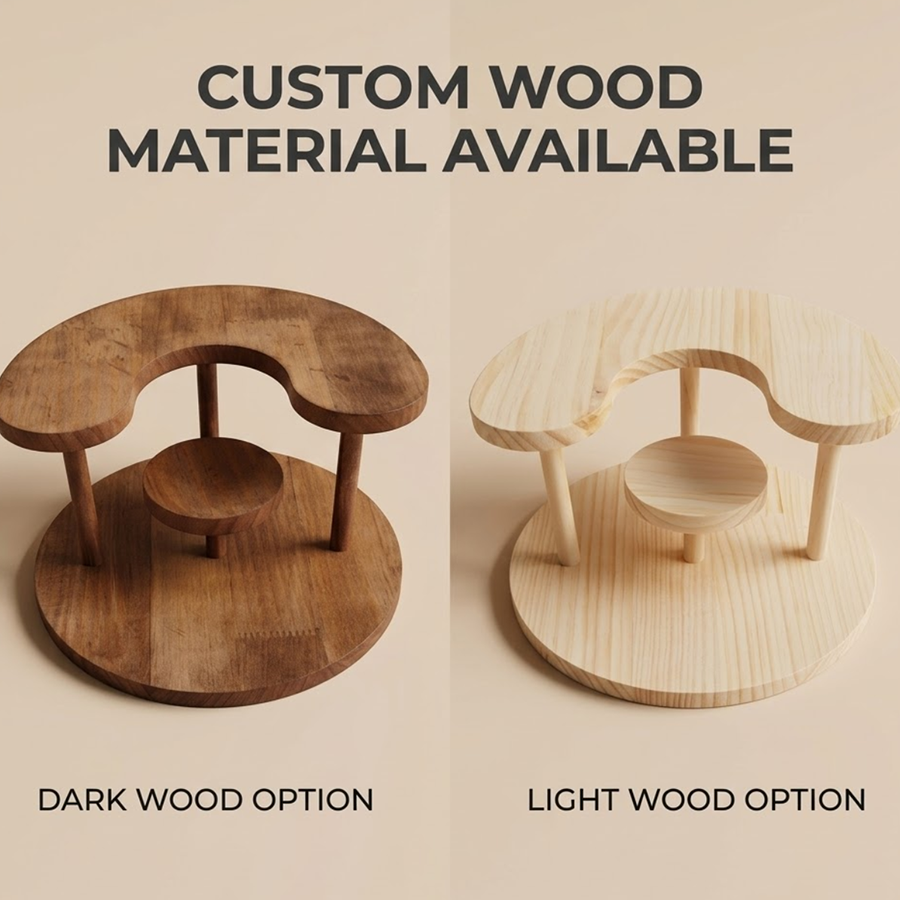
Global buyers are increasingly specific about wood species and mixed-material combinations. Instead of asking only for “solid wood,” sourcing managers now expect a factory to guide them through options like acacia, pine, paulownia, bamboo, walnut, MDF veneer and plywood veneer with technical perspectives, not just price lists.
Acacia: For Premium Look and Higher Perceived Value
Acacia remains popular for elevated kitchen storage, cutting-board style trays and visible gift sets. By 2026, buyers expect factories to address:
- Color variation control – how much tone variation is acceptable per SKU and per carton
- Food-contact thinking – finishing route and oil or lacquer choices when items might touch food indirectly
- Flatness tolerance – especially for trays and boards that need to sit stable on a table or sofa arm
Pine and Paulownia: Volume-Friendly and Lightweight
Pine and paulownia stay attractive for volume programs, decorative storage and gift packaging due to their lighter weight and cost efficiency. Buyers will increasingly ask:
- How will moisture be managed to reduce cracking or gapping at joints?
- What sanding and putty standards are used before paint or stain?
- How will you control knot visibility and resin bleed-through on light colors?
Paullownia, in particular, requires careful explanation of its advantages (very light, easy to machine) and its limitations (softness and dent resistance) so buyers can position it correctly in their product range.
Bamboo: Sustainability Conversations and Panel Stability
Bamboo is increasingly associated with sustainability and modern design. Global buyers expect their factory partner to explain:
- Construction method – solid laminated strips vs. bamboo veneer on MDF or plywood
- Edge appearance – visible bamboo strips versus wrapped edges for a cleaner look
- Coating system – how the finish will impact color tone and resistance to humidity
Walnut: Targeting Premium Private Label Lines
Walnut is often used for premium organizers, gift boxes and statement trays. Buyers in 2026 will expect:
- Clear difference between solid walnut and walnut veneer on MDF or plywood
- Color batch management – walnut tone and grain consistency within each shipment
- Scratch and dent resistance – especially for high-touch products like valet trays and desk organizers
MDF Veneer and Plywood Veneer: Stability and Cost Control
For many large programs, MDF veneer and plywood veneer remain the most practical way to control cost and stability while still delivering a “solid wood” look. Buyers now expect clear guidance on:
- When MDF is preferred – smoother edges, better for painted surfaces and uniform routing
- When plywood is preferred – improved screw holding and reduced risk of screw pull-out for hinges and hardware
- Veneer thickness and species – how thick the veneer is and whether touch-up is feasible after minor damage
In 2026, the conversation is less about “which wood is cheaper” and more about “which material structure is stable enough for this use, shipping route and retail positioning.”
Moisture Control: The Non-Negotiable Core of Wooden Production
Every experienced buyer has had at least one painful lesson with warping lids, stuck drawers or mold spots. As a result, moisture control is now one of the first topics serious buyers ask about when evaluating a wooden products factory in China.
What Buyers Expect to Hear About Moisture Management
By 2026, buyers are looking for concrete practices, not vague assurances. They expect discussions covering:
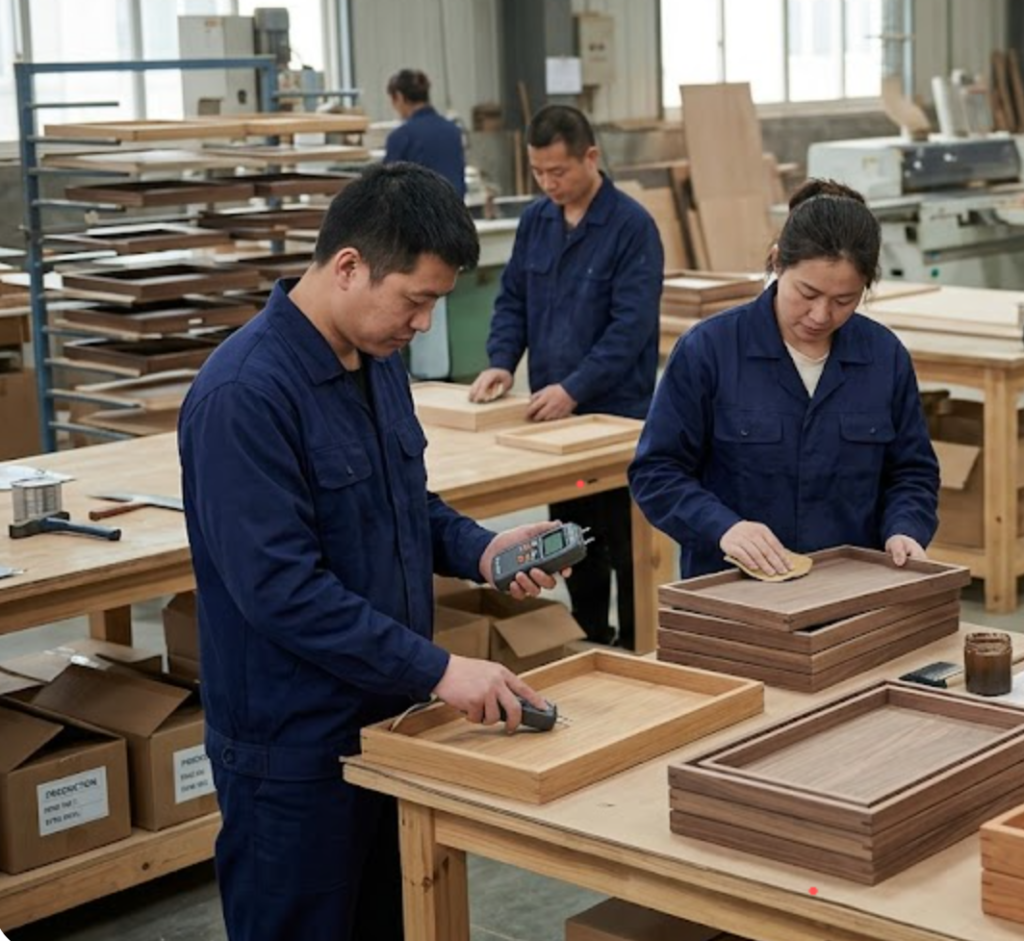
- Incoming material checks – how moisture content is tested and what range is acceptable for each species
- Storage conditions – how wood is stored before processing to avoid re-absorption of humidity
- Pre-assembly conditioning – whether semi-finished parts rest before assembly to equalize moisture
- Post-finish stabilization – drying time after painting or staining before packing
Factories that can show a clear moisture control routine give buyers more confidence that the goods will arrive in sellable condition even after long transit times.
Finishing and Logo Application: From Basic Stain to Retail-Ready Surface
Surface finishing is where many buyers differentiate their brand. In 2026, they increasingly expect factories to treat finishing as a controlled process with documented standards.
Key Finishing Checkpoints Buyers Ask About
- Sanding consistency – grit sequence and visual standard for edges, surfaces and corners
- Stain or paint finish – number of coats, drying time and gloss level targets
- Color control – method for comparing production pieces to approved samples or color swatches
- Touch-feel – whether the final surface is intended to feel rustic, smooth, or ultra-smooth for premium gifting
Logo Processes: More Than Just Printing
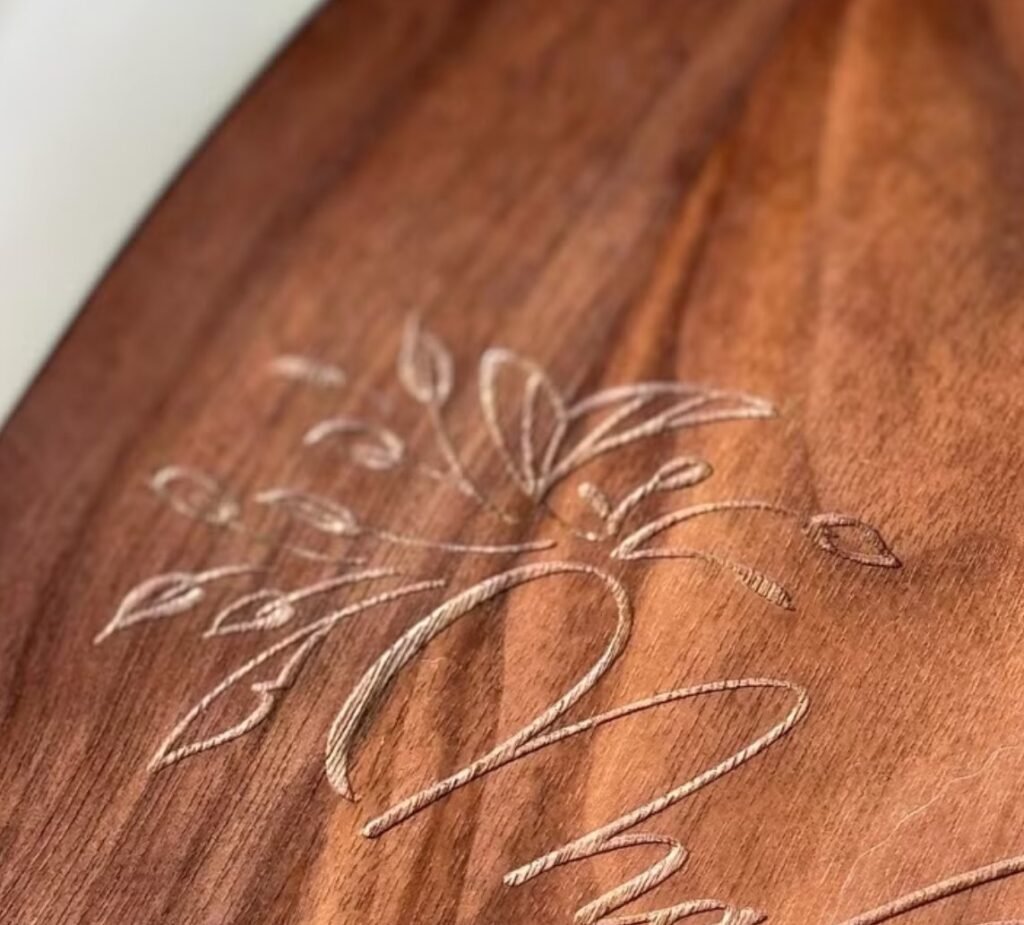
Logo placement is often where value is perceived. Typical processes include laser engraving, silk screen printing, heat stamping, UV printing and metal badge application. Buyers now expect to review:
- Logo size and position drawings before sample
- Color matching for logos against Pantone references when printed
- Edge sharpness for engraving – clean, readable branding even on smaller organizers or gift boxes
- Durability of logo – resistance to rubbing in daily use and during transport
For private label and Amazon sellers, consistent logo execution between the first and fifth reorder is often more important than minor cost differences.
Hardware, Structure and Durability Under Real Use
In 2026, buyers will not only ask what hinges and magnets are used, but also how these components are tested and validated during production.
Hardware Fitting Expectations
- Hinge type and size – matched to panel thickness and intended load
- Magnet strength and placement – strong enough to stay closed, but not so strong that customers struggle to open
- Screws vs. nails vs. dowels – chosen according to material (solid wood, MDF, plywood) and expected lifespan
- Metal finish consistency – avoiding mixed tones within one product or set
Structural Stability and Everyday Handling
Sofa trays, stackable organizers and kitchen storage units face real-world stresses. Buyers expect their factory partner to think through these scenarios:
- Load-bearing tests for shelves, bases and handles
- Joint reinforcement at weak points, especially where wood grain directions change
- Warp resistance for long panels, such as tray sides and box lids
- Drawer and lid alignment after repeated opening and closing
A professional factory will often propose small structural changes—like thicker bottom panels, altered joint type or extra bracing—to prevent complaints and returns downstream.
Customization in 2026: From Size to Carton Mark
Wooden products are rarely bought as standard off-the-shelf items in the B2B context. Most importers and brands require a mix of design and packaging customization. In 2026, buyers expect their partner factory to handle these topics efficiently and transparently.
Core Product Customization Points
Typical customization requests include:
- Size and proportions – external and internal dimensions tailored to target contents or shelf spaces
- Compartments and inserts – movable dividers, fixed sections, foam or cardboard inserts for gift sets
- Hinges and magnets – selection of hardware type and positioning for the intended customer experience
- Mixed materials – combining wood with glass, metal, leather or fabric for differentiated designs
- Logo and branding – engraving, printing, stamping and metal logo plates
Packaging Customization: Beyond the Product Itself
Packaging now plays a major role in both shipping protection and retail presentation. Buyers typically want flexible options such as:
- Color box design – branded retail boxes with product images, icons and barcode areas
- Mailer cartons – e-commerce-friendly packaging with internal buffers to pass drop tests
- Carton marks – clear, compliant information for warehouse and logistics teams
- Unit protection – foam corners, bubble bags, paper wrap or cardboard reinforcement for delicate finishes
Professional buyers expect the factory to propose packaging structures that balance cost, protection and packing speed at the assembly line.
MOQ, Sampling, Lead Time and Price Structure: Commercial Expectations
Technical capability means little if the commercial framework does not match the buyer’s realities. In 2026, sourcing teams are more direct and numbers-focused from the first conversation.
MOQ Discussion: Flexibility Within Reason
Buyers do not always expect very low MOQs, but they do expect logical segmentation:
- Different MOQ tiers based on material, finish and packaging complexity
- Shared components (same base box with different colors or logos) to consolidate production runs
- Test order arrangements for new designs or new markets before committing to full program volumes
Sampling and Pre-Production Validation
Serious buyers expect structured sampling, not just a quick prototype:
- Drawing and spec confirmation before sample – including dimensions, materials and finish
- Sample lead time – realistic timelines with clear communication if special materials or hardware are involved
- Pre-production sample (PPS) – especially for color-critical or multi-SKU programs
Lead Time and Capacity Transparency
With logistics and retail calendars under constant pressure, buyers in 2026 need clarity on:
- Standard lead times for repeat orders versus first orders
- Seasonal capacity – how peak seasons affect shipment dates
- Parallel production – ability to run multiple SKUs or collections simultaneously
Price Structure and Cost Drivers
Instead of pushing for lower cost without context, professional buyers look for a transparent breakdown of price drivers:
- Material choice – acacia vs. pine vs. MDF veneer and impact on yield and waste
- Finishing route – multi-coat stain with top lacquer vs. simple paint
- Hardware selection – standard hinges vs. custom hardware or magnets
- Packaging complexity – plain brown box vs. printed color box plus mailer
This clarity helps both sides adjust the design early to keep the project commercially viable.
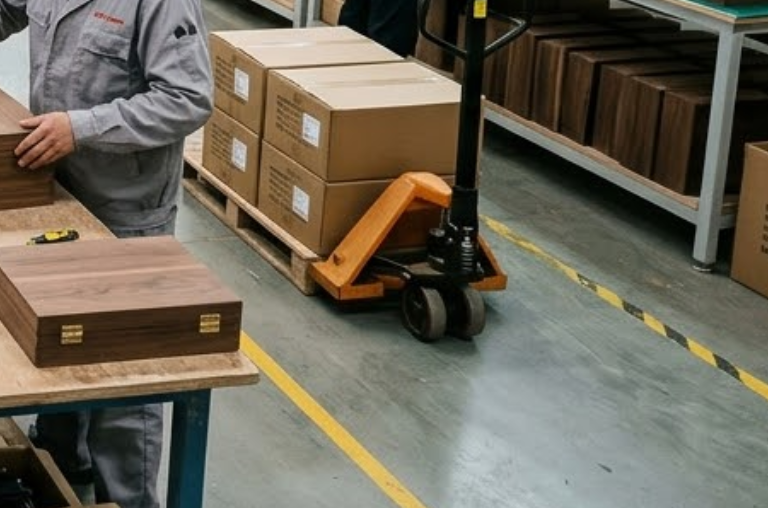
Damage Control and Export Packaging: Thinking Beyond the Factory Gate
In 2026, buyers are more aware that a good product can become a bad customer review if packaging does not protect it. As a result, they expect their wooden products factory in China to think like a logistics partner, not only a producer.
Carton Drop-Test Thinking
Many buyers, especially e-commerce and Amazon sellers, want their packaging to consider typical drop scenarios. Factories are expected to discuss:
- Drop-test concepts – number of drops, angles and heights used in internal trials
- Internal protection design – strategic use of foam, honeycomb, corrugated inserts or corner guards
- Product movement inside the carton – controlling empty space to reduce impact damage
Export Carton and Pallet Planning
Buyers expect workable proposals for container loading and warehouse handling:
- Carton size planning for better container utilization
- Stacking strength – carton board selection and internal support where needed
- Palletization options – pallet type, layering, wrapping and labeling
- Carton marks and barcodes – aligned with warehouse and retailer requirements
By addressing these topics early, a project has a much higher chance of performing well across multiple logistics cycles.
Repeat-Order Consistency: The Real Test of a Factory Partner
For most importers and brand owners, the second and third orders are where the real evaluation happens. In 2026, buyers expect their factory to manage repeatability as a process, not leave it to chance.
Consistency Challenges Buyers Watch For
- Color drift between batches, especially for stained wood and painted MDF
- Dimensional deviations affecting how products fit on shelves, in sets or with other components
- Material switches due to supply changes without explicit buyer approval
- Packaging changes that affect count per carton, palletization or warehouse handling
What a Professional Factory Does to Maintain Consistency
Buyers increasingly expect to see:
- Approved master samples stored and referenced for every repeat order
- Standard operating procedures for critical steps like sanding, staining and logo application
- Incoming material controls to keep wood species and veneer consistent with previous shipments
- Final inspection criteria aligned with buyer’s AQL or internal standards
How Chic Homeware Aligns with 2026 Buyer Expectations
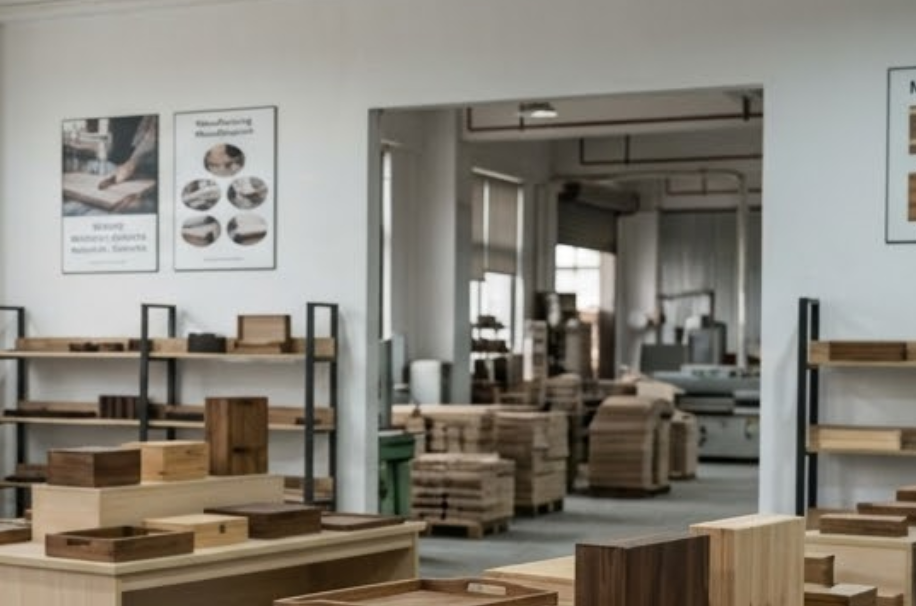
Chic Homeware operates as a factory-oriented OEM/ODM partner for custom wooden boxes, organizers, trays, kitchen storage and gift packaging. The workflow is designed for buyers who need both technical depth and commercial practicality.
Project-Based OEM/ODM Workflow
Typical cooperation follows a step-by-step framework:
- Initial briefing – application, target price range, preferred materials and markets (EU/US/other)
- Structure and material proposal – recommendations across acacia, pine, paulownia, bamboo, walnut, MDF veneer and plywood veneer, plus mixed-material options
- Sampling and refinement – sample development with clear feedback loops on size, compartments, finish and logo
- Packaging and export planning – export carton design, mailer carton options, carton marks and palletization suggestions
- Mass production and inspection – moisture control, finishing checks, hardware fitting and protective packing according to agreed standards
Support for EU and US Buyers
For buyers working with EU and US markets, Chic Homeware can support common project needs:
- FSC-oriented sourcing discussions for relevant materials
- Export packaging planning aligned with long sea freight and multiple handling points
- Project-based compliance communication – sharing technical details and documentation as needed
Choosing the Right Wooden Products Factory in China for 2026 and Beyond
Selecting a wooden products factory in China is no longer just about who can supply the lowest price. Buyers planning for 2026 and beyond are looking for partners who:
- Understand material behavior under real-world conditions
- Manage moisture, finishing and hardware as controlled processes
- Support realistic MOQ and sampling strategies
- Plan export packaging and damage control with a logistics mindset
- Deliver repeat-order consistency across entire programs
For programs built around boxes and storage, you can explore dedicated solutions for custom wooden boxes that are engineered for both aesthetics and shipping durability. If you are evaluating a broader supply partnership, our capabilities as a custom wooden products manufacturer cover organizers, trays, kitchen storage and gift packaging across multiple material routes.
Next Steps: Turn Your 2026 Wooden Product Plans into a Managed Project
Whether you are a brand owner planning a new premium line in walnut, an Amazon seller looking for stable MDF veneer organizers, or a distributor developing acacia trays for retail chains, the key is to translate your ideas into a clear, factory-ready specification.
Chic Homeware works with importers, wholesalers and private label brands to structure projects around real-world constraints: material availability, moisture control, finishing choices, hardware stability, export packaging and repeatable quality. If you are currently assessing how a wooden products factory in China can support your 2026 roadmap, you can share your drawings, reference photos, or target specifications for a practical evaluation.
Discuss your project, expected volumes and timelines with our team via Contact Chic Homeware. Together we can align material selection, structure, packaging and commercial parameters to build wooden products that ship reliably and perform in your target market