
Wooden Storage Solutions for Hospitality and Retail: What Commercial Buyers Need
For hospitality and retail buyers, wooden storage is no longer just about aesthetics. It must support operations, protect inventory, carry a brand story and pass export logistics without damage. Whether you manage a hotel group, a homeware chain or multiple online storefronts, the right OEM/ODM partner for wooden storage solutions can significantly reduce claim rates, improve reviews and stabilize repeat orders.
Chic Homeware supports commercial buyers as an OEM/ODM partner for custom wooden boxes, organizers, trays, kitchen storage and gift packaging. With a factory-oriented workflow and flexible material options in acacia, pine, paulownia, bamboo, walnut, MDF veneer and plywood veneer, we help buyers translate a concept into a production-ready, exportable product line.
Why Wooden Storage Works So Well for Hospitality and Retail
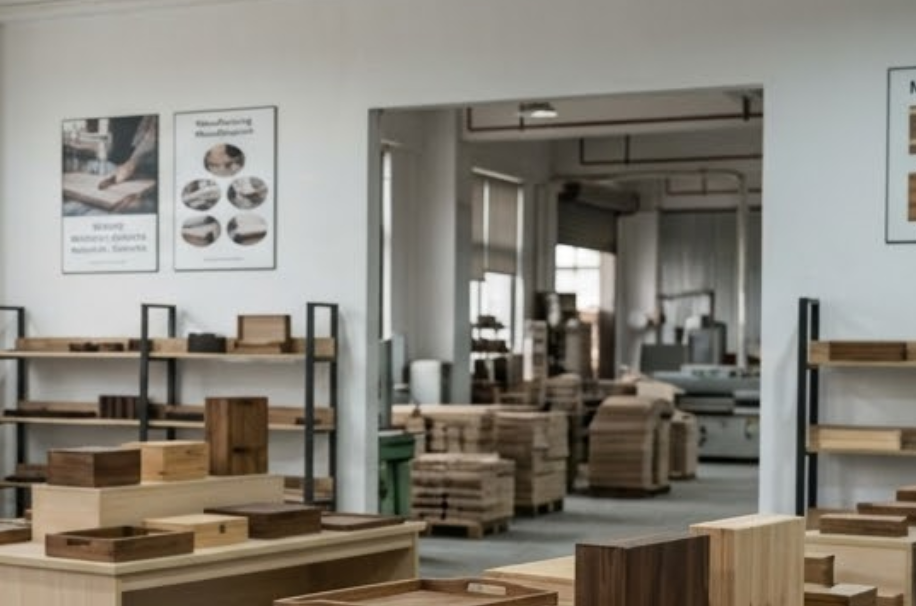
In hospitality and retail environments, storage products are touched thousands of times and seen by every guest or shopper. Wooden storage solutions supply a durable, premium-looking and repairable base for front-of-house and back-of-house operations.
For commercial projects, wooden storage is particularly useful in:
- Guestroom organization – amenity boxes, wardrobe organizers, minibar trays and stationery boxes that match the room concept.
- Front desk and lobby – keycard boxes, document trays, menu holders and display risers with strong branding.
- F&B and bar – cutlery caddies, condiment organizers, tea and coffee boxes, flight boards and bar caddies that withstand moisture and cleaning routines.
- Retail shelving and counters – nesting crates, display risers, category dividers and POS organizers sized to your fixtures.
- E-commerce and gift programs – gift boxes, subscription boxes and keepsake packaging that add perceived value and repeat use.
The challenge is not simply choosing “wooden” over “plastic” or “metal”, but specifying the right wood species, structure, finish and packaging for your channel and delivery model. That is where a factory-driven development process becomes essential.
Key Types of Wooden Storage Solutions for Commercial Use
1. Wooden Boxes and Gift Packaging
Wooden boxes are widely used in hotels for amenities, tea and coffee, in retail for gift sets and in e-commerce for premium packaging. For these projects, buyers usually focus on:
- Closure system – hinged lid, sliding lid, lift-off lid, or magnet closure depending on use frequency and price position.
- Compartments – fixed dividers, removable inserts, foam or EVA inlay, or no compartments for flexible use.
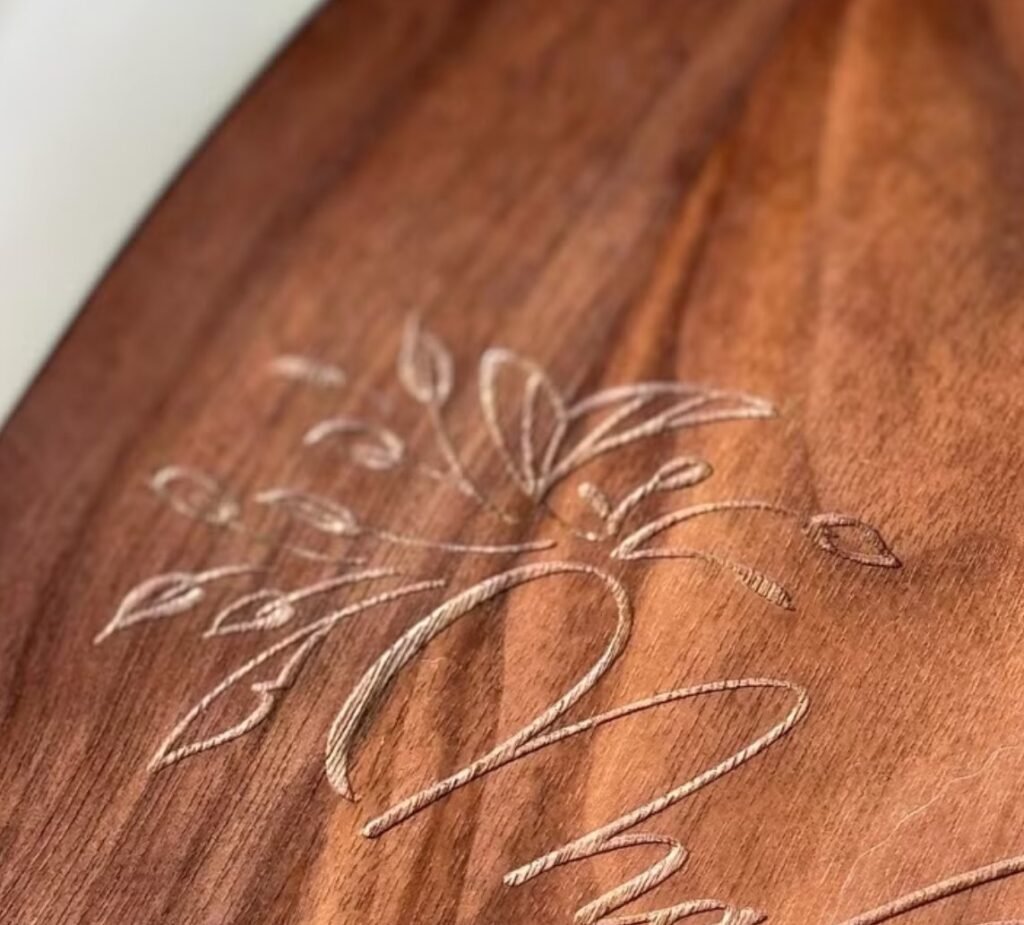
- Branding – laser logo, screen print, hot stamp, UV print or metal badge.
When volume is stable and branding is important, it is worth looking at a dedicated Custom Wooden Boxes program that locks in materials, finishing standards and long-term packaging solutions.
2. Organizers and Compartments for Rooms and Counters
Organizers help standardize the guest or shopper experience: every remote, amenity, brochure or product sits in a defined place. For hospitality and retail buyers, the priority is usually:
- Exact size to fit inside drawers, closets, bathroom counters or shop fixtures.
- Consistent compartments so that housekeeping or retail staff can reset layouts quickly.
- Easy cleaning with sealed or lacquered surfaces to avoid water absorption or staining.
Here, light but stable wood like paulownia or pine with veneer or paint finishing is often chosen to balance cost and appearance.
3. Trays, Caddies and Service Boards
Trays and caddies are high-touch items in hotels, restaurants and retail counters. They must be dimensionally stable and comfortable to carry, with a finish that can tolerate frequent wiping.
- Hotel and resort use – room service trays, bathroom amenity trays, spa trays and minibar trays matching the overall concept.
- Retail and bar use – tasting boards, flight paddles, condiment and cutlery caddies, POS cash trays.
Heavier species like acacia or rubberwood (when specified) deliver a more premium feel and better stability. For price-sensitive programs, MDF veneer or plywood veneer structures with hardwood edges can achieve a similar look at lower cost.
Choosing the Right Material: Matching Wood Species to Project Needs
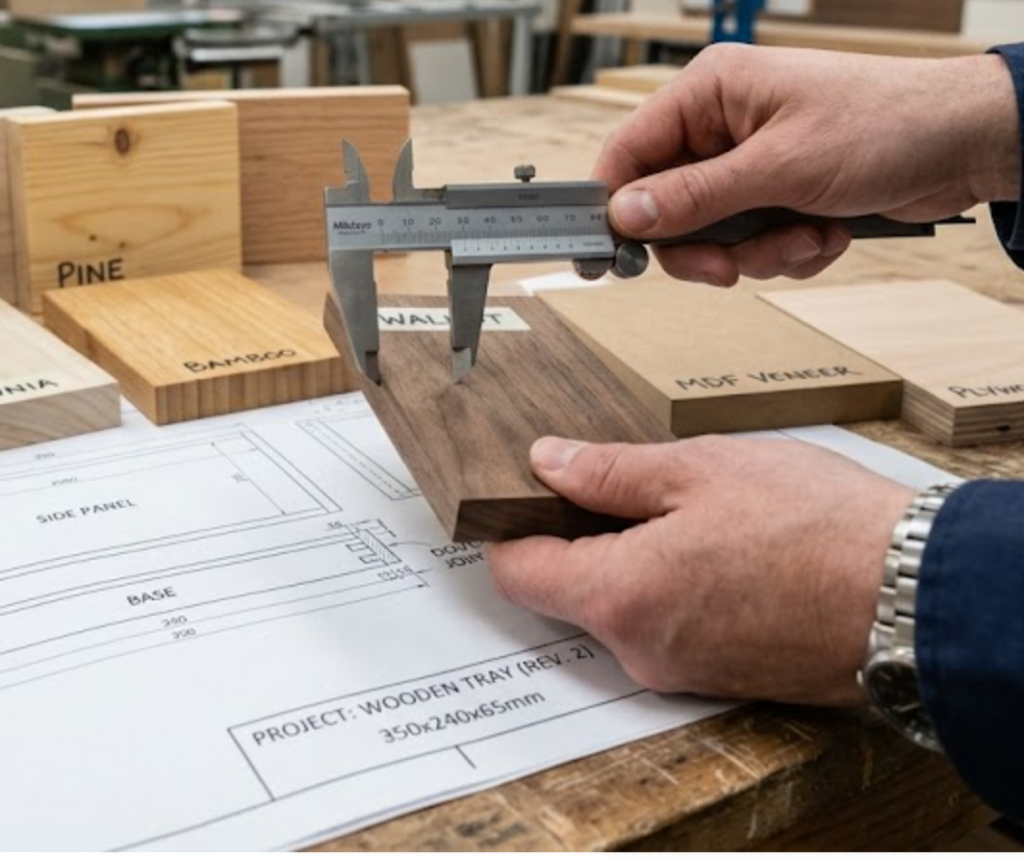
Commercial buyers often start with a reference photo and then ask, “What wood is this, and is it suitable for our budget and use?” Below is a practical overview of commonly used materials for wooden storage solutions and how they typically fit into hospitality and retail projects.
| Material | Key Features | Typical Uses |
|---|---|---|
| Acacia | Hard, dense, strong grain, rich color; feels premium and durable. | High-end trays, bar boards, visible organizers in luxury hotels or premium retail. |
| Pine | Softwood, cost-effective, visible grain, accepts stain or paint well. | Retail crates, mid-range gift boxes, organizers with rustic or natural look. |
| Paulownia | Very light weight, easy to handle, fast-drying, lower density. | Gift boxes, decorative storage, e-commerce sets where shipping weight matters. |
| Bamboo | Stable, modern appearance, good for moisture-related areas. | Bathroom organizers, kitchen storage, F&B service items. |
| Walnut | Dark, premium look, higher material cost, strong branding value. | Executive boxes, VIP amenity sets, high-end retail displays. |
| MDF veneer | Engineered core, smooth surfaces, strong cost control, high consistency. | Painted or veneered boxes, trays, organizers with complex shapes. |
| Plywood veneer | Layered structure, good strength-to-weight, can show edges as design. | Retail fixtures, nesting boxes, structural trays needing durability. |
How to Decide on a Material in a Real Project
In practice, the material decision usually involves three conversations between buyer and factory:
- Appearance vs. budget – Do you need visible natural grain, or is a painted finish acceptable? If grain is important but budget is limited, pine with stain finish may be chosen over walnut.
- Weight and shipping – For e-commerce or multi-country distribution, weight can change freight cost significantly. Paulownia or plywood constructions often help keep cartons lighter.
- Usage conditions – In bathrooms, spas or F&B areas, bamboo or sealed hardwoods perform better. For purely decorative gift packaging, a lighter softwood may be sufficient.
Chic Homeware typically proposes one or two alternative material routes during sampling, clearly explaining cost impact, weight, and finishing possibilities so sourcing managers can make informed decisions.
Critical Production Checkpoints for Commercial Wooden Storage
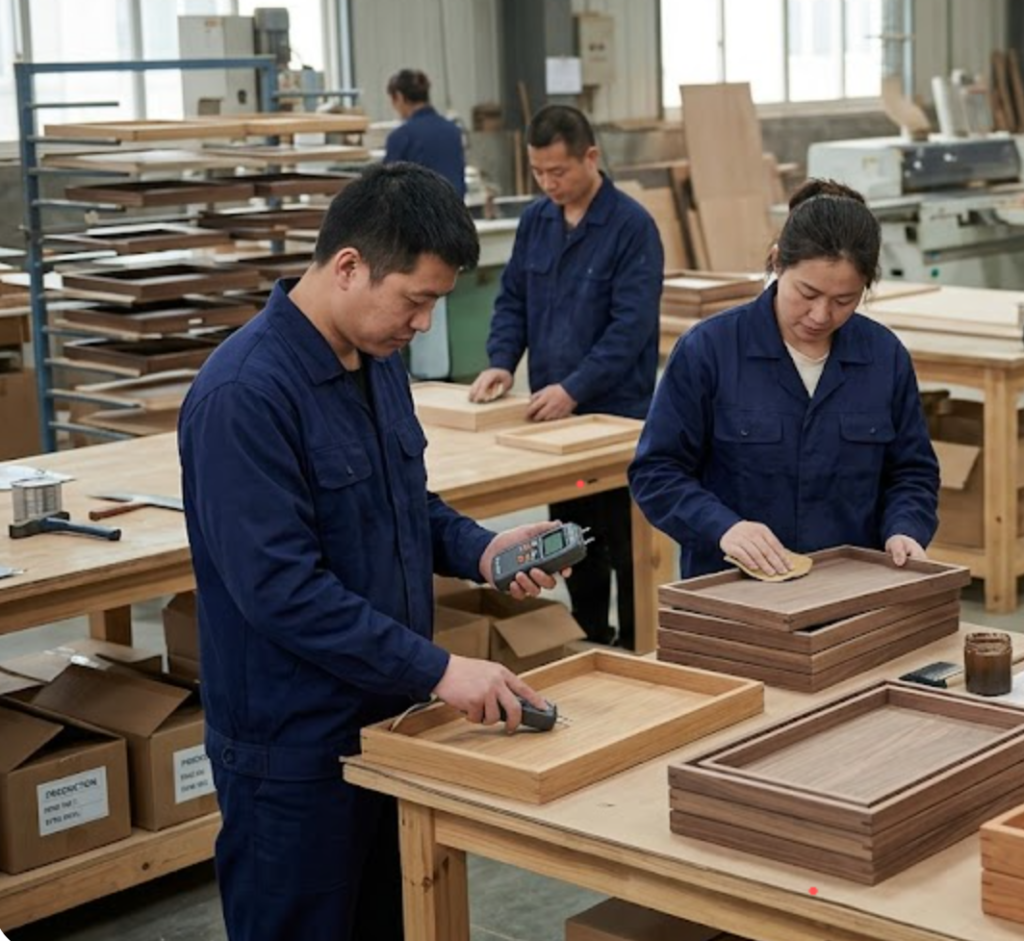
Retail and hospitality buyers know that issues usually do not show up in the first photography samples; they appear when the first container arrives. To reduce those risks, several production checkpoints are essential for wooden storage solutions.
1. Moisture Control
Improper moisture content is a common root cause of warping, cracking and joint opening after arrival in the destination country. A factory-driven program will:
- Check and condition wood materials before machining.
- Align moisture targets with the main destination climate (e.g., drier climates need tighter control).
- Allow sufficient time between machining, assembly and finishing for the wood to stabilize.
For hotel trays, room boxes or retail display crates that sit in air-conditioned environments, this step is particularly important to keep products flat and square over time.
2. Sanding and Surface Preparation
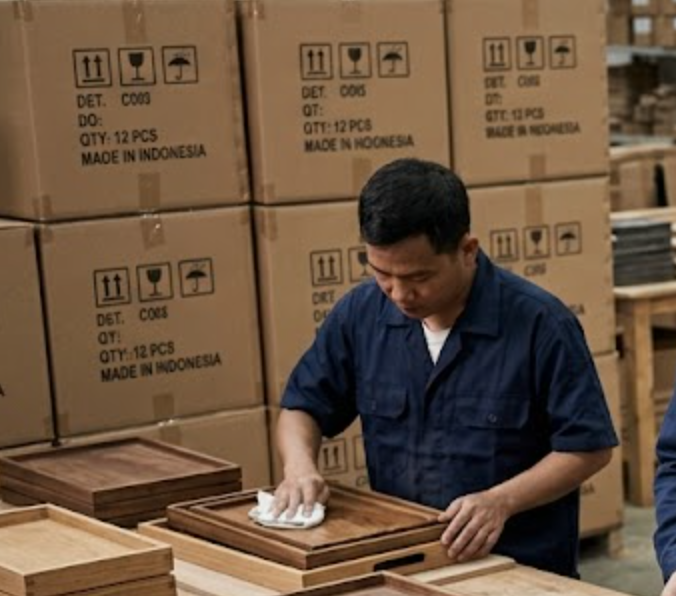
In hospitality and retail, customers will touch the product directly. Rough edges or inconsistent sanding become immediate complaints. At production level, this means:
- Setting a clear sanding standard on approval samples.
- Checking edges, interior corners and handles – not only flat surfaces.
- Ensuring that sanding steps are complete before stain or paint application, otherwise the finish will highlight defects.
3. Stain or Paint Finishing
Color consistency can make the difference between an acceptable shipment and one that triggers returns or rework. A reliable finishing process should include:
- Color swatches approved under standard light conditions.
- Clear instructions for stain application, wiping and number of coats.
- Defined gloss level for lacquer or top coat, especially if items will be mixed with other materials (metal, glass, fabric).
For chains and brand owners, it is important that the 10th order visually matches the 1st one on the shelf. This requires documentation of finishing recipes and internal QC checkpoints at the factory.
4. Logo Process and Brand Application
For hotel groups, retailers and online brand owners, logo appearance is a core part of the product. Common options include:
- Laser engraving – precise, durable, best on solid wood with visible grain.
- Screen printing – flexible colors, suited for flat surfaces and cost-effective at volume.
- Hot stamping or foil – metallic effect for gift boxes and premium accessories.
- UV digital printing – multi-color logos or artwork with smaller MOQs.
Buyers should confirm logo size, position and tolerance at sample stage and request photos from pre-shipment inspections to ensure consistency across cartons.
5. Hardware Fitting and Structural Stability
Hinges, magnets, knobs and metal fittings often cause issues if not planned correctly. For commercial storage items, we recommend:
- Choosing hardware suitable for the wood type (softwoods need proper screws and pilot holes).
- Defining lid opening angles and magnet strength according to the usage scenario.
- Testing stacking and loading capacity if trays or boxes will carry heavier contents such as glass bottles.
During development, Chic Homeware teams routinely open and close samples multiple times and conduct practical tests (for example, stacking filled trays) to adjust structure before mass production.
Design and Customization Decisions That Matter for Buyers
Beyond material and finishing, a commercial wooden storage program requires many small but important decisions. Addressing these early helps avoid surprises in tooling cost, lead time or usability.
Size and Compartment Layout
Accurate sizing is critical when storage products must fit into existing furniture or retail fixtures. Buyers should provide internal dimensions, maximum heights and any clearance needed for hands or product packaging. For compartment layout:
- Start from the dimensions of each item to be stored, not from a generic sketch.
- Allow tolerance for small packaging changes in future seasons (e.g., new amenity bottles or updated retail pack sizes).
- Consider removable dividers when possible to support multi-purpose use across properties or store formats.
Hinges, Magnets and Opening Behavior
For boxes used in rooms, stores or unboxing experiences, the opening behavior influences perceived quality:
- Hinges – regular, concealed or piano hinges depending on aesthetics and strength needs.
- Magnets – flush magnets for invisible closures, with strength balanced so staff can open easily while still feeling secure.
- Gas stays or ribbons – to control lid opening angle and prevent overextension.
These elements affect cost and assembly time, so they should be finalized before firm quotation and lead time confirmation.
Inserts and Internal Components
For hospitality amenity boxes, bar sets or retail gift packaging, inserts keep products in place and secure during shipment and presentation. Options include:
- Solid wooden dividers fixed into the structure.
- Removable wooden, MDF or plywood grids.
- Foam, EVA or cardboard inserts wrapped with fabric or paper.
Buyers should clarify whether inserts are part of the wooden manufacturing scope or will be added by a separate packaging supplier, as this impacts assembly, packing and carton dimensions.
Outer Packaging, Color Boxes and Cartons
For hospitality and retail supply chains, export packaging is as important as the product itself. You may need:
- Individual polybag or tissue wrapping to protect finishes from abrasion.
- Inner color box for retail or online sales, designed to meet your brand guidelines.
- Mailer carton sized for parcel shipping and drop tests.
- Master cartons with carton marks, barcodes and handling icons according to your warehouse standards.
Chic Homeware regularly plans packaging together with buyers, considering warehouse handling, pick-and-pack processes, and in some cases Amazon or other marketplace requirements.
Managing Core Buyer Concerns: MOQ, Sampling, Lead Time and Price
Sourcing managers and brand owners typically focus on four operational questions for wooden storage programs: MOQ, sampling, lead time and price structure. Addressing these early creates a smoother development and production experience.
MOQ and Project Scale
MOQ depends on structure, material and finishing complexity. Factors that can influence MOQ include:
- Use of custom hardware or magnets that require special purchasing.
- Complex multi-layer finishes or multiple colorways in the same order.
- Tooling or jigs needed for specific cutouts, recesses or engraving panels.
For hotel groups and chain stores, consolidating multiple properties or locations into one production batch usually unlocks more favorable MOQs and unit pricing. For Amazon sellers and online brands, designing a core SKU that can serve multiple listing options (e.g., different insert sets) can help reach MOU without over-expanding SKU count.
Sampling and Development Workflow
A commercially practical OEM/ODM workflow for wooden storage should follow clear stages:
- Discussion of concept, usage, target price and main dimensions.
- Material and finish proposals with estimated cost differences.
- Prototype or pre-production sample for structure, size and finishing validation.
- Optional second sample if logo, color or packaging require fine-tuning.
Sampling fees and lead times are normally credited or adjusted once mass orders begin, but this should be clarified in advance. For time-sensitive projects such as hotel openings or seasonal retail launches, aligning sample timelines with internal approval processes is essential.
Lead Time Planning
Lead time is influenced by:
- Seasonality (peak months for holiday or promotional orders).
- Complex finishing and logo processes.
- Packaging complexity and whether color boxes or labels need design approval.
Adding a realistic buffer for shipping and customs clearance is especially important for hospitality projects with fixed opening dates and for retail promotions tied to campaigns.
Price Structure and Total Cost View
Price discussions should consider more than the ex-factory unit price. In many cases, slightly higher product cost with better structure and packaging can reduce total landed cost through:
- Lower claim rates and reduced replacement shipments.
- Less breakage and fewer returns in e-commerce channels.
- Longer in-use life in hotel rooms and retail environments before replenishment is needed.
Chic Homeware regularly supports buyers in comparing alternative structures (for example, thicker walls, different inserts or enhanced corner protection) to find the best balance of product cost and logistics risk.
Risk Control: Damage, Drop-Tests and Repeat-Order Consistency
For hospitality chains and retailers, continuity and reliability are more important than one-time savings. From a factory perspective, there are three major risk-control areas for wooden storage solutions.
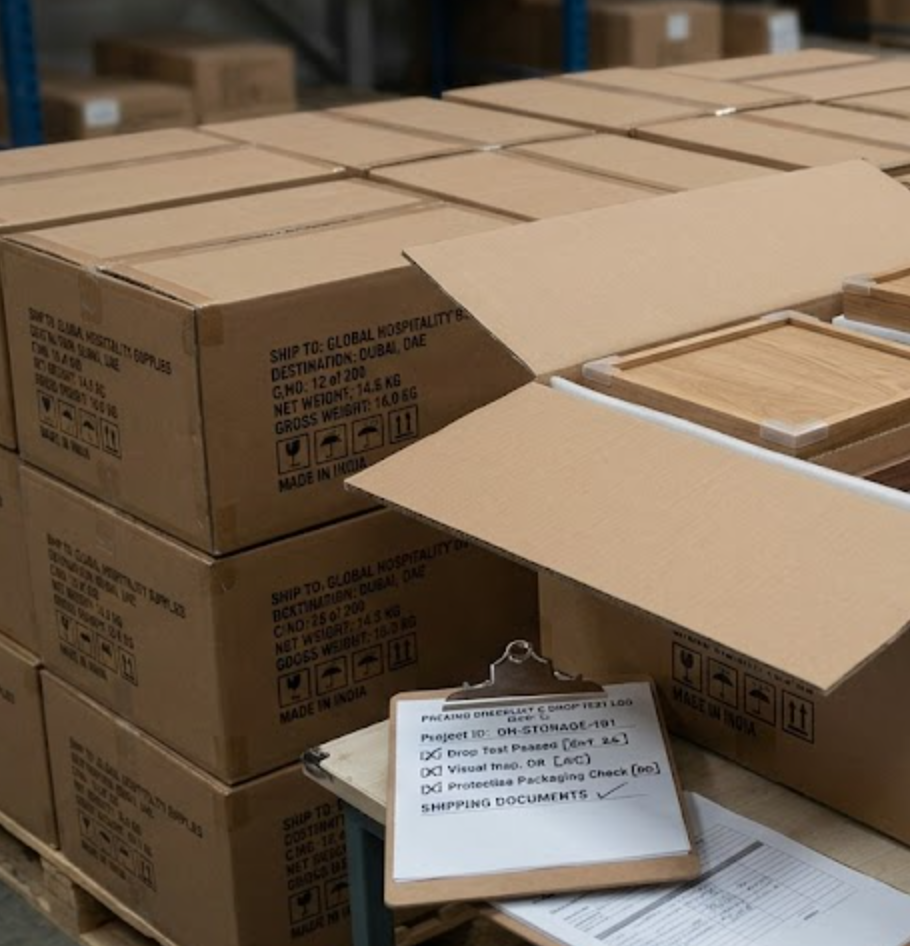
1. Damage Control and Export Packaging
Carton design is directly linked to claim rates. To reduce transit damage, your OEM/ODM partner should consider:
- Corner protection, partitions or foam where needed, especially for heavier trays and boxes with glass or metal components.
- Carton size and weight that fit manual handling limits for your warehouses and carriers.
- Drop-test thinking for courier delivery, especially when supplying e-commerce sellers.
Early discussion of your warehouse and distribution model allows the factory to design packaging that performs realistically under your conditions, not just in theory.
2. FSC-Oriented Sourcing and Compliance Communication
Many hospitality groups, retailers and brand owners have internal sustainability goals or sourcing guidelines. While not every project requires certification, buyers increasingly ask about FSC-oriented sourcing and traceability. A structured approach usually includes:
- Clarifying whether full certification is required for the product line or only for certain markets.
- Aligning on available wood species and suppliers that meet your policy.
- Coordinating documentation and declarations as part of the project onboarding.
Early communication avoids last-minute changes to materials or documentation that might delay shipment.
3. Repeat-Order Consistency
Consistency across repeat orders is crucial for hotel standard rooms and retail shelves. To maintain stability over multiple seasons or years, factories need:
- Documented specifications for materials, finishing recipes, dimensions and tolerances.
- Golden samples stored both at the factory and, ideally, at the buyer side.
- Internal QC records and pre-shipment inspection routines aligned with buyer expectations.
A partner experienced in long-term private-label projects will treat each repeat order as part of a program, not as a one-off purchase.
Working with a Factory-Oriented OEM/ODM Partner
For complex hospitality and retail projects, dealing directly with a capable wooden products factory brings several advantages: faster technical decisions, more transparent cost discussions and better control of structural and packaging details.
Chic Homeware operates as a Wooden Products Factory in China focused on OEM/ODM wooden boxes, organizers, trays and related storage products. Typical collaboration steps with importers, distributors and brand owners include:
- Initial project discussion covering product concept, usage, target quantity and price range.
- Material and structure proposals, sometimes combining solid wood and MDF or plywood veneer for cost and stability.
- Sample development with logo and preliminary packaging, plus feedback rounds.
- Mass production with defined QC checkpoints, including logo verification and packaging checks.
- Project-based compliance and document support for EU and US markets.
For buyers managing multiple SKUs or cross-category programs, working with a single Custom Wooden Products Manufacturer simplifies coordination and helps maintain consistent styling and finishing across products.
Conclusion: Turning Wooden Storage into a Reliable Category
Wooden storage solutions for hospitality and retail can be a stable, value-adding category when specified and managed correctly. The key is to look beyond the initial design image and address the full chain: wood species selection, moisture control, surface finishing, logo application, structure optimization and export packaging.
By working with a factory-oriented OEM/ODM partner that understands sampling, MOQ management, lead time planning, damage control and repeat-order consistency, sourcing managers and brand owners can reduce operational risk while elevating guest and customer experience.
If you are planning new amenity boxes, room organizers, retail display crates, gift packaging or e-commerce-ready wooden storage items, Chic Homeware can help you develop a practical specification and bring it into stable production. Share your drawings, mood boards or reference samples, and our team will propose material routes, finishing options and packaging solutions aligned with your market and budget.
To discuss your next project or request development samples, please contact the Chic Homeware team and start turning your wooden storage concepts into reliable products.