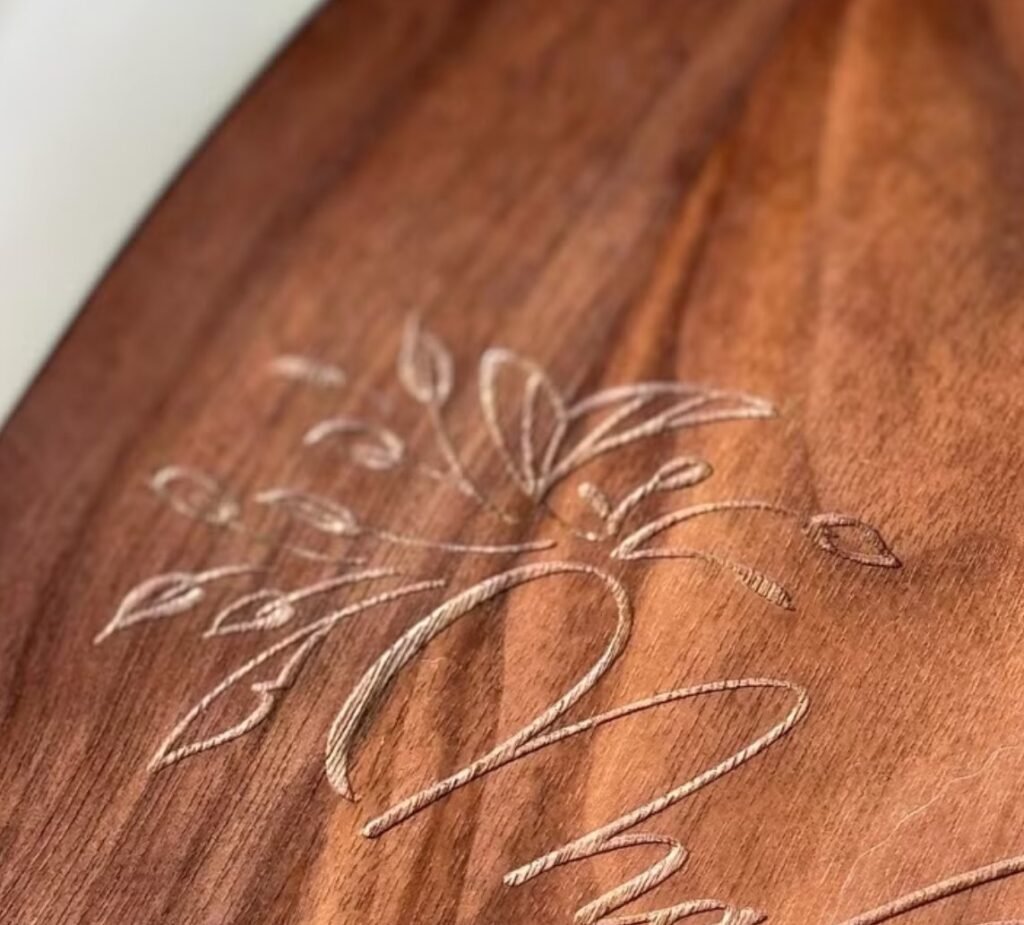

acacia wood storage boxes
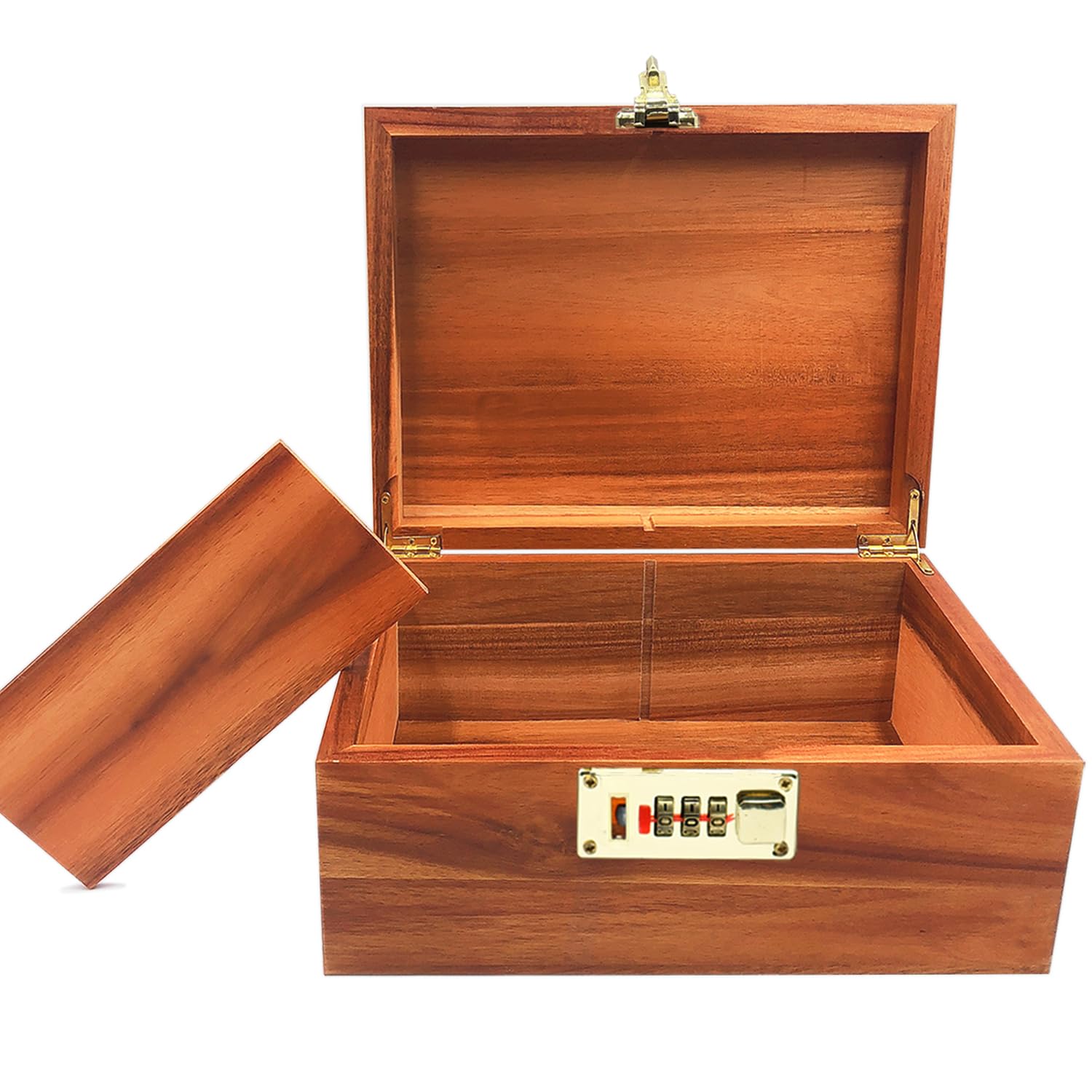
For overseas B2B buyers, “best” does not mean the most expensive material. It means a wood that can deliver consistent results in bulk production, support hardware installation, and maintain stable visual quality across batches.
From our factory production experience at Chic Homeware, acacia wood performs well not because it is fashionable, but because it reduces structural risk while maintaining a premium appearance.
1. Material Difference Matters in Bulk Orders
Many buyers compare wood types mainly by price.
In real production, material choice directly affects:
- Yield rate (cracking, deformation, panel instability)
- Surface finishing consistency
- Hardware holding strength
- Long-term structural stability
Compared to lighter softwoods like pine or paulownia, acacia has:
- Higher density
- Better screw holding strength
- Stronger resistance to edge damage
- More stable panel behavior when properly conditioned
In actual production, we usually position acacia for mid-to-high market storage boxes, especially when lids, magnets, or hinges are involved.
If your product requires thin walls with structural strength or metal hardware installation, acacia reduces defect rate during mass production.
For buyers comparing materials, you may also find it helpful to review our internal guide on
→ Custom Wooden Boxes Manufacturing Guide
which explains how structure affects material choice.
2. Structural Stability for Lids, Hinges, and Magnets
4
Most disputes in storage box orders are not about appearance. They are about:
- Uneven lid gaps
- Hinge misalignment
- Magnetic lid offset
- Corner cracking during shipping
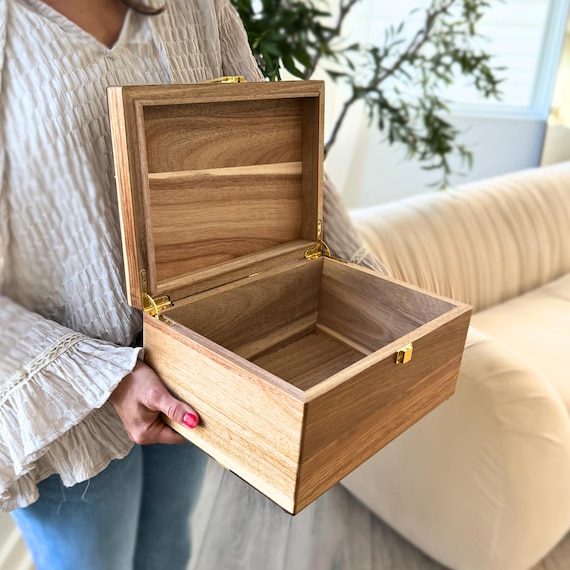
Acacia’s hardness improves:
- Screw holding strength
- Joint stability
- Magnet alignment precision
In actual production, when customers request magnetic lids or metal hinges, we typically recommend acacia or similar hardwoods. Softer wood often increases alignment variation in bulk production.
One common misunderstanding is:
“If the sample works, bulk production will be the same.”
Samples are often manually adjusted. Bulk production requires jigs, positioning fixtures, and process control. Material stability directly affects consistency.
For reference on moisture behavior in hardwoods, buyers can consult the
USDA Forest Products Laboratory Wood Handbook (Chapter on wood moisture and dimensional change):
https://www.fpl.fs.usda.gov/documnts/fplgtr/fplgtr190/chapter_04.pdf
Understanding wood movement helps buyers evaluate long-term performance expectations.
3. Premium Look With Controlled Production Risk


4
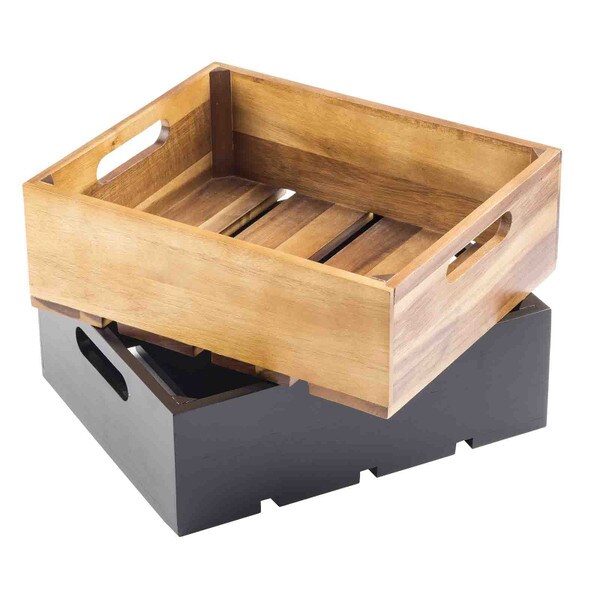
Acacia naturally offers:
- Warm brown tone
- Strong grain contrast
- Natural visual depth suitable for gifting markets
However, natural wood always has variation.
Common Buyer Misunderstanding
“Acacia has no color variation.”
All hardwood varies. The key is not eliminating variation, but controlling it.
In actual production, we typically:
- Pre-sort panels by tone
- Match grain direction within each box
- Define acceptable color range before bulk production
- Control finishing system (oil vs water-based coating) depending on destination market
Buyers sourcing for retail or brand packaging may also consider sustainability certification.
If FSC sourcing is required, official information can be found at:
https://fsc.org/en
4. Cost vs Effect: A Practical Procurement Balance
Acacia is not the cheapest option.
But procurement decisions should consider:
- Reduced structural failure
- Better hardware durability
- Lower return rate due to warping
- Stronger perceived retail value
In many mid-to-high positioning projects, acacia provides a better cost-to-effect balance compared to softer woods.
That said, for lightweight promotional boxes without hardware, pine or paulownia may be sufficient. Material choice should always match positioning.
If you are comparing factory capabilities for hardwood boxes, you may also review our
→ Wooden Box Factory in China Overview
to understand production setup and customization limits.
5. Factory Reality: What Makes Acacia Work in Bulk
Material alone does not guarantee stable results. Production control does.
At Chic Homeware, when producing acacia storage boxes, we typically focus on:
1. Moisture Conditioning Before Machining
Hardwood panels are conditioned to reduce movement after assembly.
2. Hardware Positioning Fixtures
Magnets and hinges are aligned using fixtures to maintain consistency in bulk.
3. Clear MOQ Communication
Laser engraving, custom inserts, or metal nameplates require minimum order quantities. We clarify these limits at quotation stage.
4. Finish Selection Based on Market
Oil finish enhances natural grain.
Water-based coatings provide more humidity protection but slightly adjust tone depth. We guide buyers based on destination market.
Final Procurement Perspective
Acacia wood is often the best choice for storage boxes when buyers need:
- Structural durability
- Hardware compatibility
- Stable mass production performance
- Premium natural appearance
- Balanced cost versus defect risk
For B2B sourcing, the real question is:
Can this material support consistent delivery at scale without increasing defect rate?
In our production experience, when properly controlled, acacia performs reliably in mid-to-high market storage box projects.
Planning an OEM Acacia Storage Box Project?
Before RFQ, confirm:
- Target market positioning
- Hardware requirements
- Finish expectations
- MOQ and customization scope
Clear specifications reduce sample-to-bulk gaps.
If you are developing a wholesale acacia storage box line, feel free to contact Chic Homeware to review structure and positioning before quotation.