
When sourcing wooden storage boxes, material choice is not a cosmetic decision—it directly affects product stability, customer reviews, shipping performance, and ultimately your profit margin.
Yet many buyers are offered “solid wood” as a one-size-fits-all solution, without understanding how different wood species behave in real-world conditions. In this paulownia vs pine vs acacia comparison, we focus specifically on how each wood performs in real storage box applications.
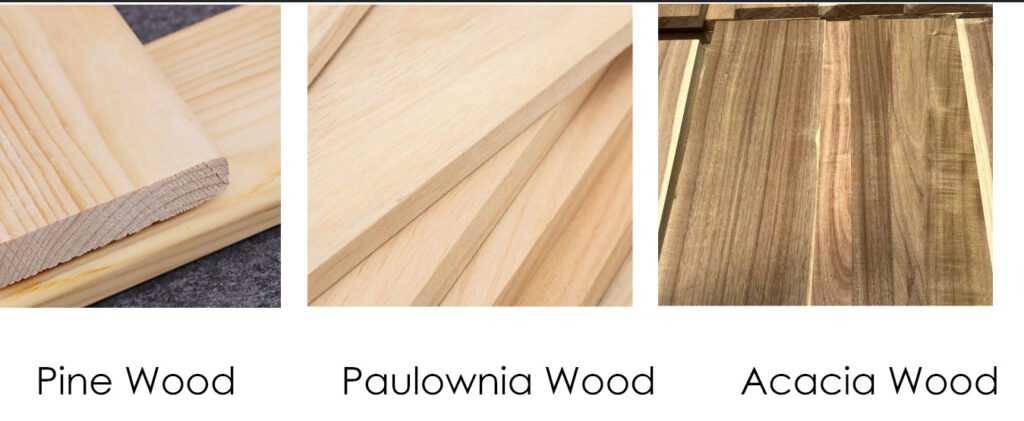
In this guide, we compare Paulownia, Pine, and Acacia, three of the most commonly used materials in wooden storage box manufacturing, and explain when each one makes sense—and when it doesn’t. This includes a detailed look at paulownia vs pine vs acacia to help you understand their unique characteristics and make an informed decision.
This article is written for brands, retailers, and Amazon sellers evaluating a long-term wooden storage box supplier, not just comparing prices.
Why Wood Choice Matters More Than Most Buyers Realize
Wood is a living material. It reacts to:
- Humidity changes
- Temperature fluctuations
- Shipping duration
- Surface finishes (paint, stain, oil)
Choosing the wrong wood can lead to:
- Warping or cracking after shipment
- Poor paint adhesion
- High return rates
- Negative Amazon reviews mentioning “cheap quality”
According to the U.S. Forest Service, wood species density and moisture behavior directly affect dimensional stability in finished products.
A professional wooden storage box supplier should recommend wood based on application, not push the cheapest option.
Paulownia Wood: Lightweight and Cost-Effective
Best for:
- Painted storage boxes
- Rustic or burned finishes
- Large-volume, price-sensitive projects
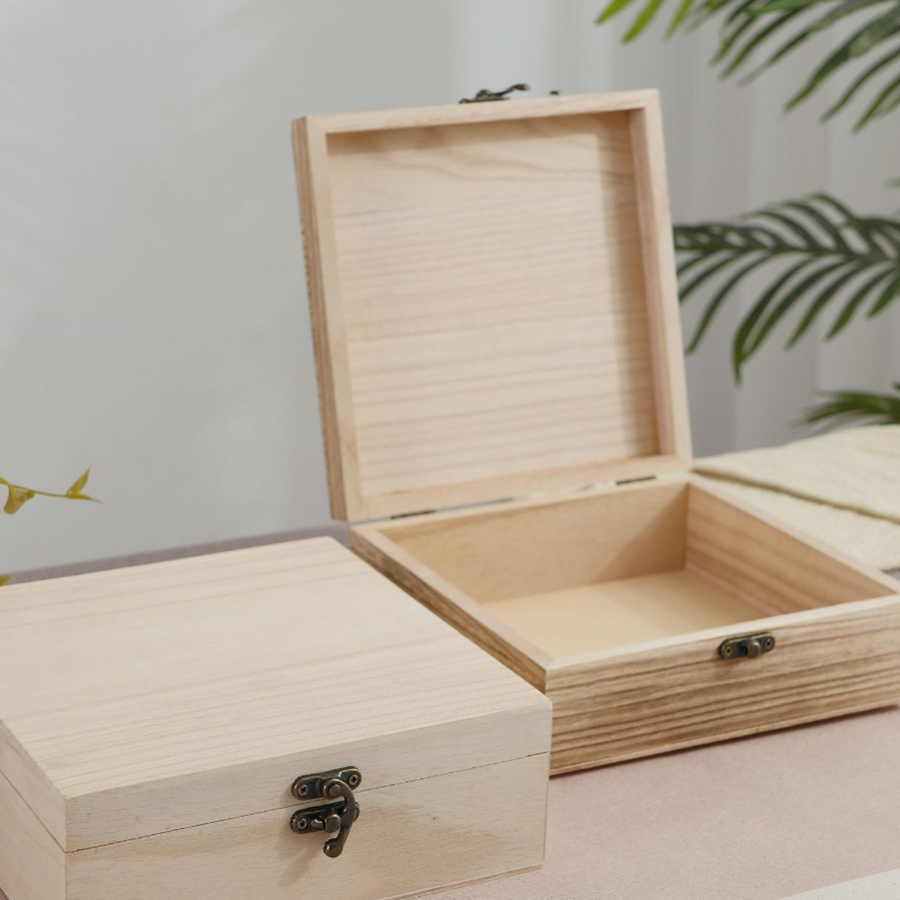
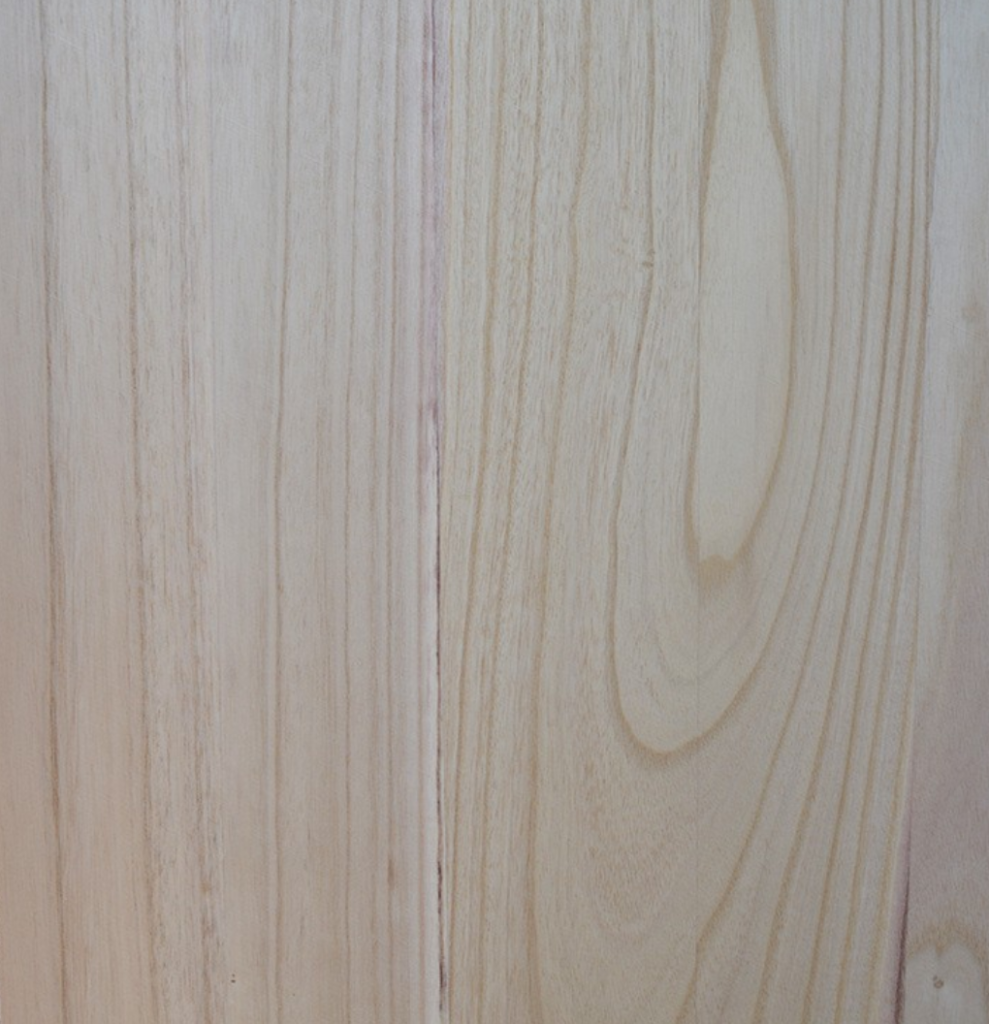
Paulownia is one of the lightest hardwoods used in furniture and storage products. Its low density makes it easy to machine and economical for shipping.
Key Advantages
- Very lightweight (lower freight cost)
- Cost-effective for mass production
- Accepts paint and distressed finishes well
Limitations
- Soft wood, prone to dents
- Not suitable for high-gloss finishes
- Lower perceived “luxury” feel in natural finishes
When We Recommend Paulownia
Paulownia works well for decorative storage boxes, gift boxes, or painted organizers where weight and cost matter more than hardness.
For example, many farmhouse-style or vintage-look storage crates perform well in Paulownia when properly kiln-dried.
Pine Wood: Balanced Performance for Mid-Range Products
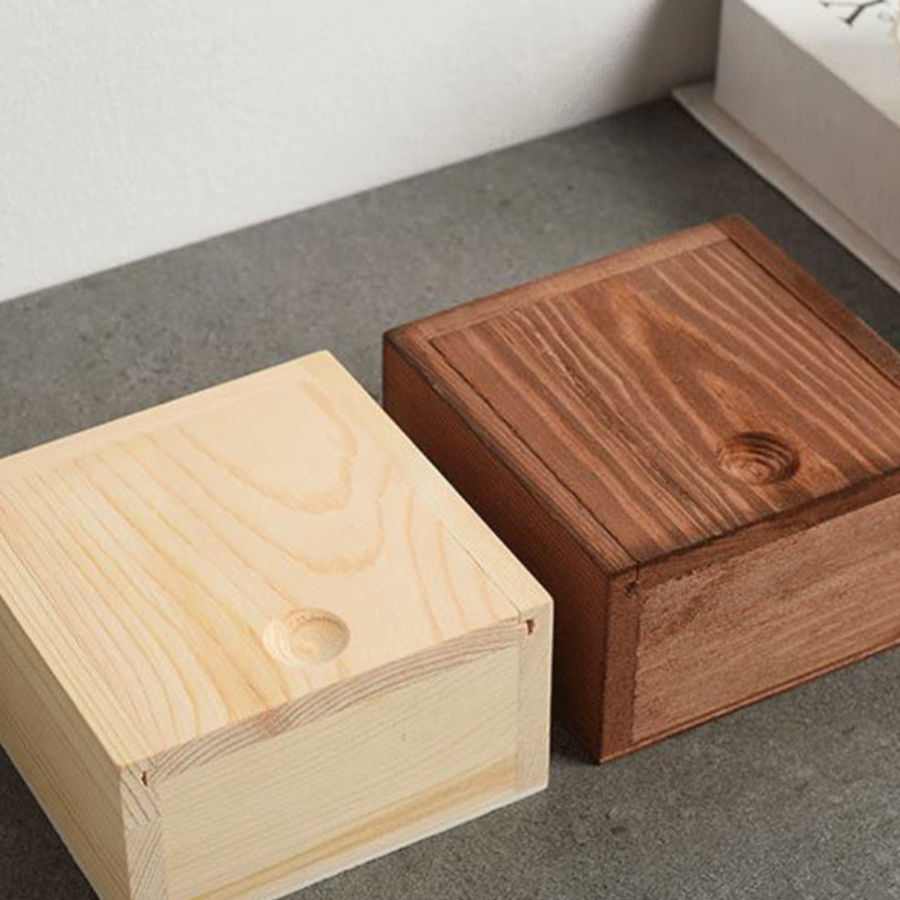
Best for:
- Natural or lightly stained boxes
- Mid-range retail positioning
- General home organization
Pine is widely available and sits in the middle between Paulownia and Acacia in both cost and performance.
Key Advantages
- Stronger than Paulownia
- Affordable and widely sourced
- Familiar look to Western consumers
Limitations
- Knots can affect appearance consistency
- Can warp if moisture content is not controlled
- Softer than Acacia
When We Recommend Pine
Pine is suitable when buyers want natural wood appearance without premium pricing, and when moisture control is handled properly during manufacturing.
It is often used for standard storage boxes, drawers, and organizers sold through offline retail or DTC channels.
Acacia Wood: Premium Look and Structural Stability
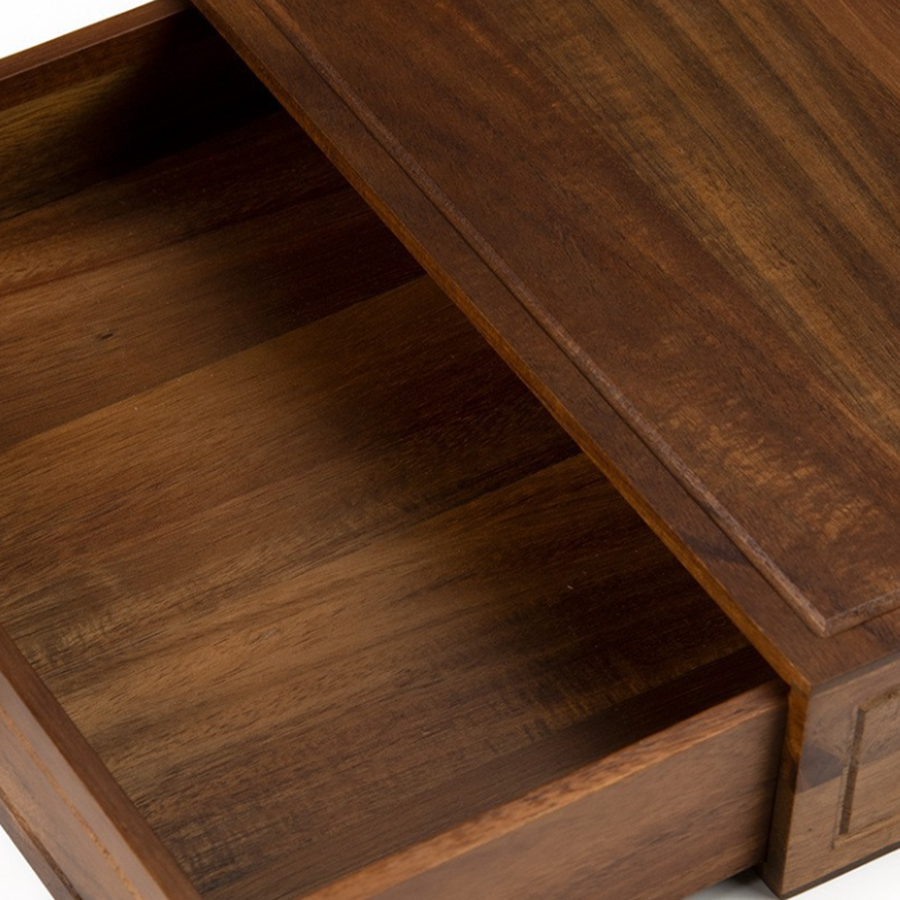
Best for:
- High-end storage boxes
- Natural or stained finishes
- Long-term use and premium positioning
Acacia is a dense hardwood known for its rich grain pattern and natural durability. It offers a premium appearance similar to walnut, but at a more accessible cost.
Key Advantages
- High density and strength
- Excellent dimensional stability
- Rich grain pattern for premium branding
- Better resistance to humidity changes
Limitations
- Higher material cost
- Heavier (higher shipping cost)
- Requires experienced machining
When We Recommend Acacia
Acacia is ideal for premium storage boxes, especially for:
- Amazon FBA products requiring durability
- Natural or dark stained finishes
- Brands positioning above the mass market
In many cases, we recommend stained Acacia as an alternative to walnut, achieving a similar visual impact at a significantly lower cost.
Quick Comparison: Paulownia vs Pine vs Acacia
| Feature | Paulownia | Pine | Acacia |
|---|---|---|---|
| Weight | Very Light | Medium | Heavy |
| Hardness | Soft | Medium | Hard |
| Cost Level | Low | Medium | High |
| Best Finish | Painted / Rustic | Natural / Light stain | Natural / Dark stain |
| Stability | Moderate | Moderate | Excellent |
| Premium Feel | Low | Medium | High |
Moisture Content: More Important Than Wood Species
Regardless of wood type, moisture content control is critical.
Even premium Acacia will crack or warp if rushed through production.
A reliable wooden storage box supplier should:
- Kiln-dry wood to 8–12% moisture content
- Measure MC at multiple stages
- Adjust targets based on destination climate
How a Professional Supplier Recommends Materials
A factory-focused supplier should ask questions like:
- Will this product be painted or stained?
- Is it shipping to a humid or dry climate?
- Is weight or durability the priority?
- Is this for Amazon FBA or offline retail?
If your supplier offers only one wood option without explanation, it’s a red flag.
For a broader overview of how material choice fits into supplier evaluation, you may also want to review our main guide:
How to Choose the Right Wooden Storage Box Supplier.
Final Thoughts: There Is No “Best Wood,” Only the Right One
Paulownia, Pine, and Acacia all have their place in wooden storage box manufacturing.
The difference between a transactional vendor and a strategic partner is simple:
- One sells you what’s cheapest
- The other recommends what fits your product and market
Choosing the right wood at the beginning can save you months of trouble—and thousands in returns—later.
If you are planning a new project or evaluating options, our team is happy to review your requirements and recommend the most suitable material.
This paulownia vs pine vs acacia guide is designed to help buyers choose the right wood based on application, not marketing claims.